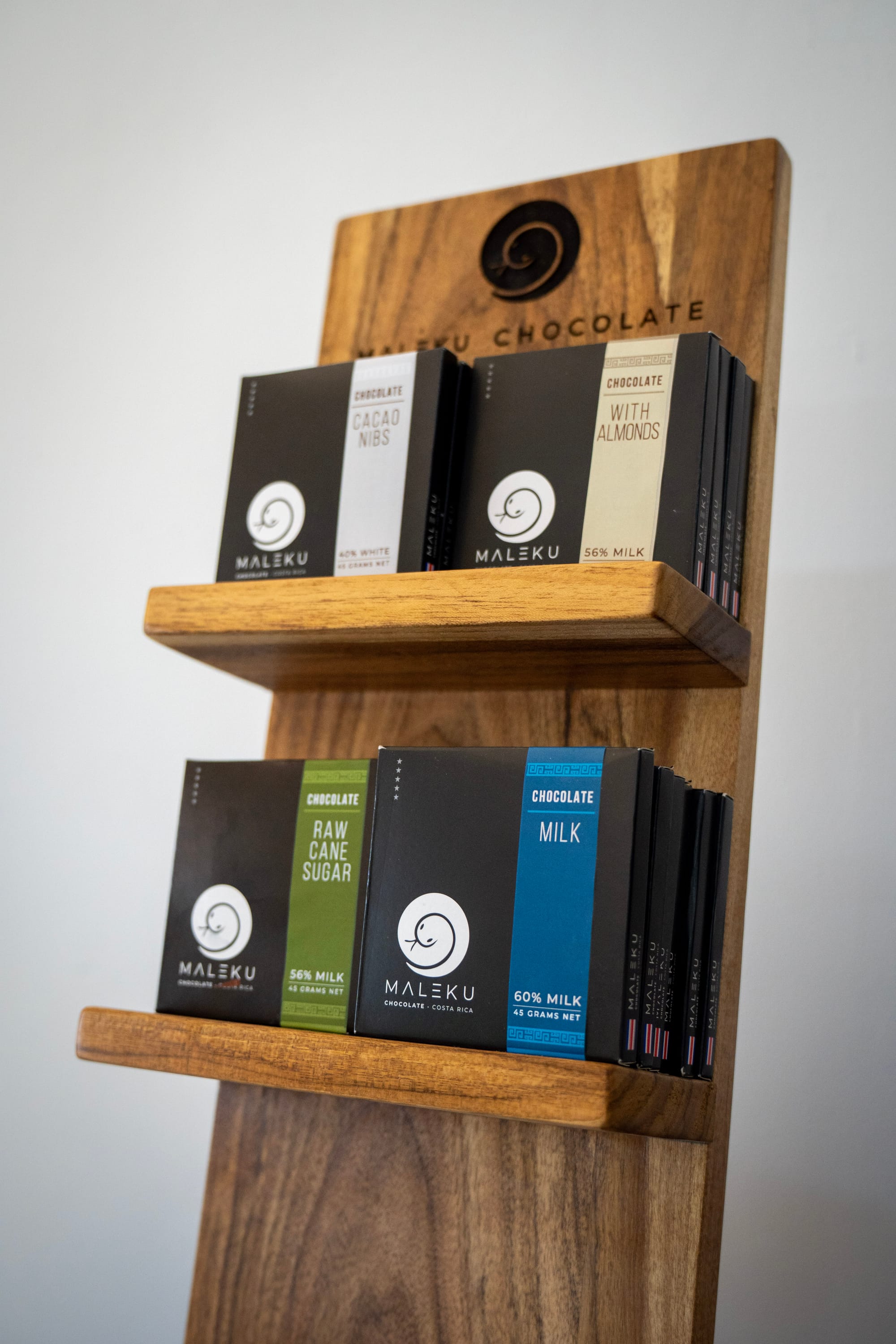

- artisanal chocolate fine flavor cacao,
- chocolate master,
- maleku chocolate,
- maleku costa rica,
- master chocolatier,
- organic chocolate,
- organic production
The Slow Revolution: How Artisanal Makers Revived Cacao’s Fine Flavor Heritage (Blue Valley Chocolate Workshop)
Discover how the slow revolution of artisanal chocolate revived cacao’s fine flavor heritage and how this movement comes to life at the Blue Valley Workshop through Maleku Chocolate.
Revolutions are usually loud. This one was not.
The revival of fine flavor cacao did not come from factories, advertising campaigns, or sudden trends. It came from small groups of farmers, fermenters, and chocolatiers who chose to slow down in an industry built for speed.
This is the slow revolution. And it is the reason cacao once again tastes like something worth paying attention to.
At Blue Valley Chocolate, and through Maleku Chocolate, our luxury line, this revolution is not a concept we study. It is the work we do every day and the foundation of the Blue Valley Workshop.
When Flavor Was Replaced by Efficiency
For much of the twentieth century, chocolate moved in one direction. Faster. Cheaper. More uniform.
Cacao was bred for yield rather than aroma. Fermentation was shortened or skipped. Roasting was pushed hard to erase defects. Sugar and additives filled the gaps.
Chocolate became consistent, but it lost its voice.
Fine flavor cacao did not disappear because it was inferior. It disappeared because it could not survive in systems designed for volume and speed.
The Return to Cacao Itself
The slow revolution began when people started asking better questions.
Where does this cacao come from.Why does it taste this way.What was lost along the way.
Small producers returned to the farm rather than the factory floor. They studied fermentation again. They tasted cacao at every stage. They accepted lower yields in exchange for clarity.
This shift was not nostalgic. It was corrective.
What Artisanal Really Means
Artisanal chocolate is not defined by size. It is defined by attention.
In the slow revolution, artisanal makers took responsibility for steps that had been outsourced or ignored. They controlled fermentation. They refined roasting. They rejected additives. They learned to taste critically.
This level of involvement revealed something important. Cacao still carried fine flavor potential when treated correctly.
It had simply been rushed into silence.
Fine Flavor Is Built Slowly
Fine flavor cacao develops through accumulation, not force.
Trees grown in healthy systems produce balanced sugars. Fermentation unfolds gradually, allowing aromatic precursors to form. Drying protects what fermentation created. Roasting translates rather than overwhelms.
Each step requires time and restraint.
Speed collapses complexity. Slowness allows structure to emerge.
This is the core lesson of the slow revolution.
The Role of the Chocolatier
In this movement, the chocolatier becomes a translator rather than a manufacturer.
Our job is not to impose flavor. It is to reveal it.
At Blue Valley Chocolate, we taste cacao constantly. Before fermentation. During fermentation. After drying. After roasting. After refining.
This feedback loop allows decisions to be made with intention rather than habit.
It also makes shortcuts impossible.
Maleku Chocolate as a Result of the Revolution
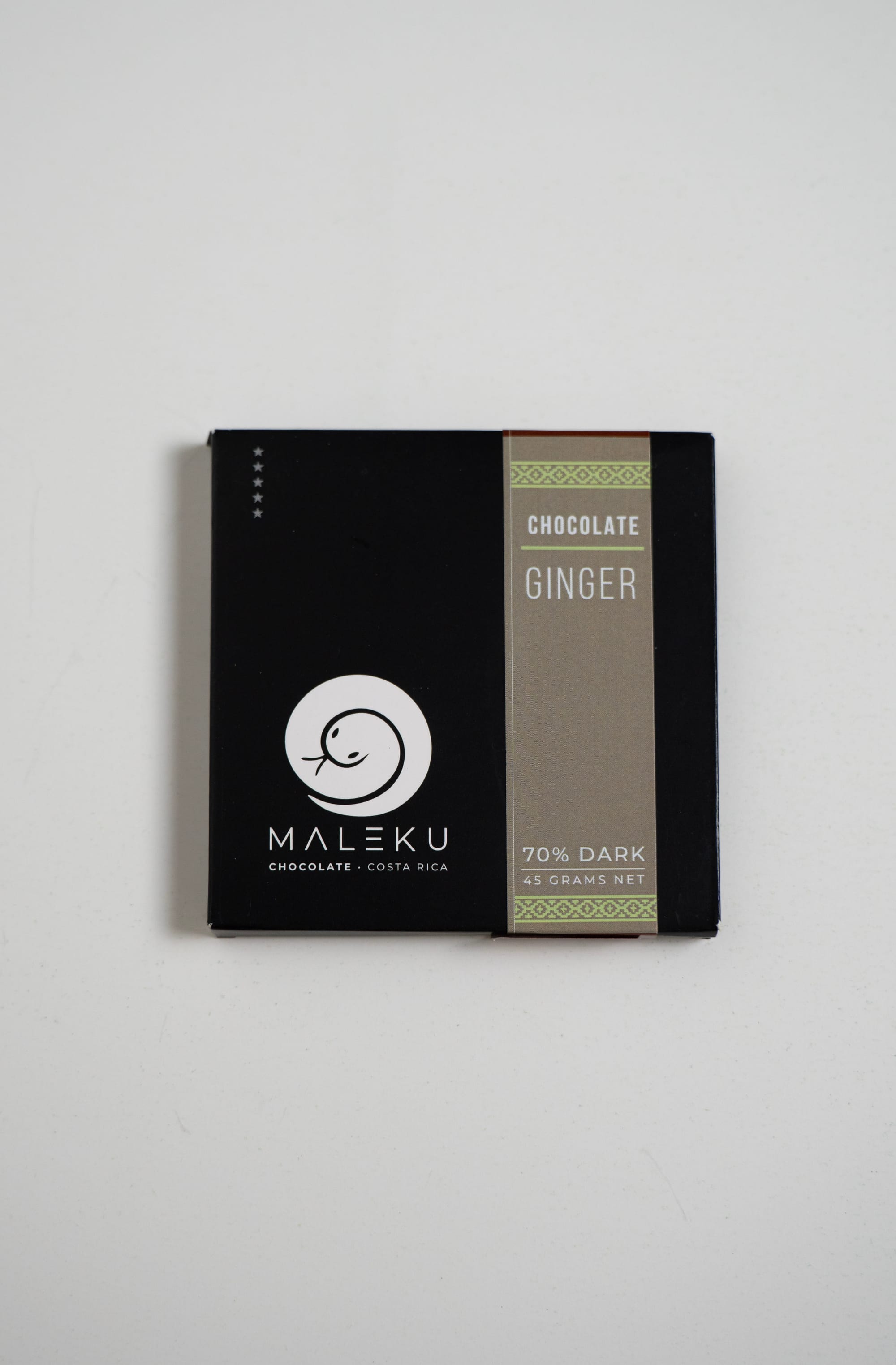
Maleku Chocolate, the luxury line from Blue Valley Chocolate, exists because of this slow shift in thinking.
Single-estate organic cacao. Forest-based farming systems. Disciplined fermentation. Restrained roasting. No additives
These choices reflect a belief that cacao deserves time.
Maleku Chocolate is not a reaction against industrial chocolate. It is a continuation of a tradition that predates it.
The Blue Valley Workshop as a Living Classroom
The Blue Valley Chocolate Workshops were created to make the slow revolution tangible and to build a real space to pause and learn.
Visitors do not just taste finished chocolate. They explore cacao as it moves through each stage. They learn why certain decisions matter and why others were abandoned.
At the workshop, participants experience:
- Cacao before sugar and polish
- The impact of fermentation on aroma
- How roasting shapes perception
- Why texture affects flavor release
History becomes sensory rather than theoretical.
Why This Matters Now
The slow revolution did more than revive fine flavor cacao. It restored accountability.
When makers slow down, origin becomes visible again. Farming practices matter. Fermentation quality matters. Chocolate stops being anonymous.
This transparency reshapes trust.
Chefs notice. Judges notice. Consumers who taste carefully notice.
Costa Rica’s Place in the Slow Revolution
Costa Rica offers ideal conditions for fine flavor cacao when farming systems respect biodiversity and climate.
At Blue Valley, near Brasilito, Guanacaste, the slow revolution is expressed through forest-grown cacao and single-estate accountability. The land supports patience. The results reward it.
This is how Costa Rican chocolate earns its place in the global conversation.
Slowness as a Competitive Advantage
In a fast industry, slowness stands out.
It allows flavor to develop fully. It reduces the need for correction. It creates chocolate that holds together.
This is why artisanal chocolate continues to grow, not because it is fashionable, but because it satisfies something industrial chocolate cannot.
A Revolution Without a Finish Line
The slow revolution is ongoing.
Each harvest presents new variables. Each season demands attention. Each batch teaches something.
There is no point where the work is finished.
That is what keeps fine flavor cacao alive.
Where Heritage Meets the Present
The slow revolution did not invent fine flavor cacao. It remembered it.
At the Blue Valley Workshop, that memory is shared through taste, context, and conversation. Chocolate becomes a story you can follow from tree to bar.
Slowness That Endures
Revolutions fade when they rely on noise. This one endures because it relies on discipline.
Fine flavor cacao does not need reinvention. It needs time.
At Blue Valley Chocolate, and through Maleku Chocolate, we choose to give it exactly that.