
- artisanal chocolate craft revival,
- artisanal chocolate,
- artisanal chocolate fine flavor cacao,
- chocolate master,
- organic cacao,
- organic chocolate
The Craft Revival: From Industrial Mass to Artisanal Masterpiece
Explore how the craft chocolate revival transformed cacao from industrial mass production into artisanal masterpieces, and how Blue Valley Chocolate and Maleku Chocolate embody this return to flavor, origin, and mastery.
Chocolate did not lose its soul overnight. It was simplified slowly.
As chocolate moved through the twentieth century, industrial efficiency replaced sensory responsibility. Processes were optimized for volume. Ingredients were adjusted for consistency. Origin faded into the background. Chocolate became reliable, affordable, and increasingly anonymous.
The craft revival emerged as a response to that loss. Not as rebellion, but as restoration.
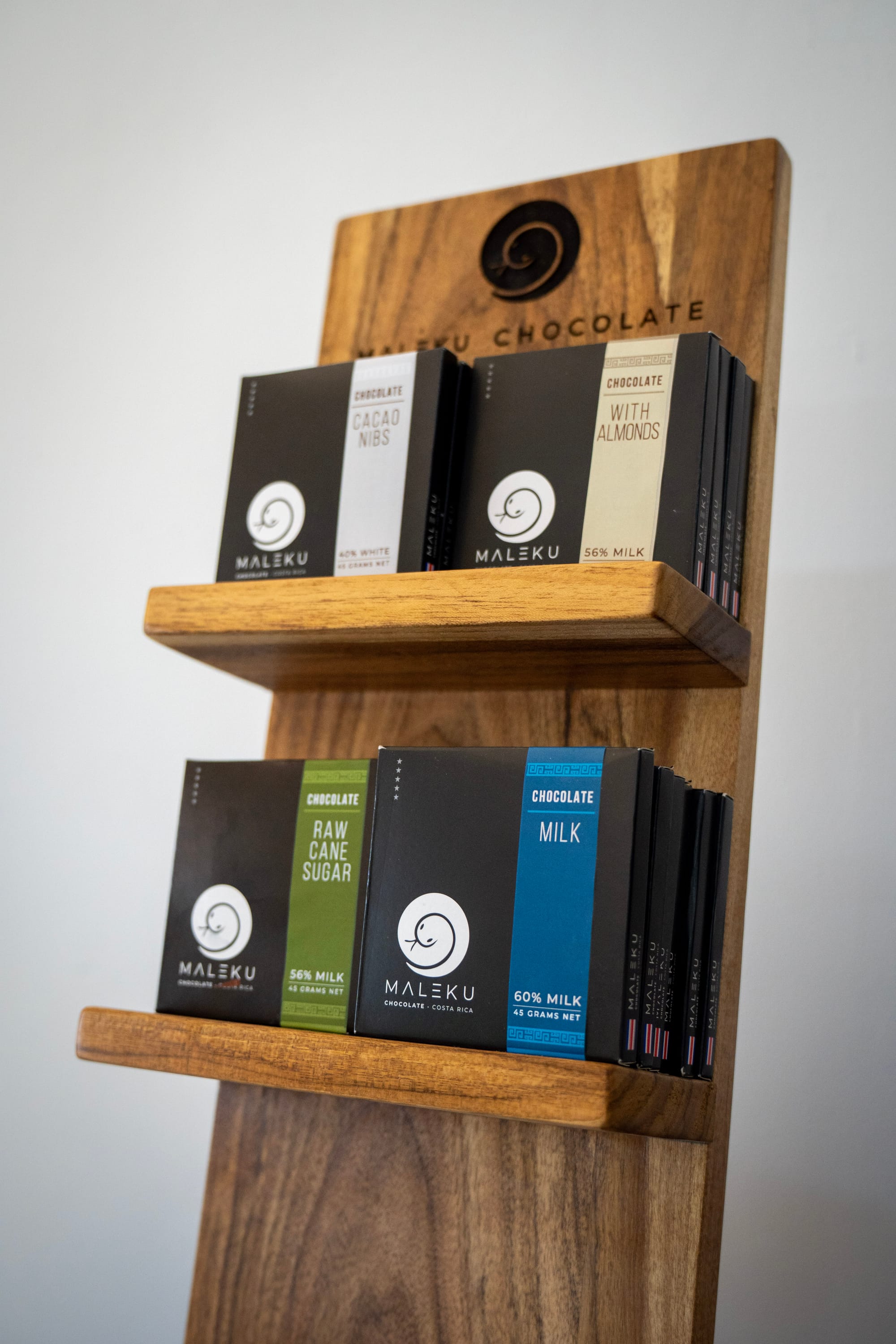
At Blue Valley Chocolate, and through Maleku Chocolate, our luxury line, this revival is not an aesthetic choice. It is a commitment to doing the work that industrial systems abandoned.
When Chocolate Became an Output
Industrial chocolate treats cacao as raw material rather than agricultural expression. Beans are interchangeable. Flavor is standardized. Defects are corrected downstream through additives, alkalization, and aggressive roasting.
This model values predictability over personality.
For decades, it defined what chocolate was supposed to taste like.
Something was gained. Much was lost.
What Craft Chocolate Restores
Craft chocolate does not reject technology. It reassigns responsibility.
In the craft revival, makers take ownership of steps that were once outsourced or ignored. Fermentation becomes intentional. Roasting becomes interpretive. Texture becomes a function of time rather than emulsifiers.
Most importantly, cacao becomes visible again.
Craft chocolate restores:
- Traceable origin
- Respect for fermentation
- Sensory evaluation as discipline
- Flavor built from agriculture rather than correction
This shift changes everything that follows.
From Volume to Understanding
Industrial chocolate asks how much can be produced.
Craft chocolate asks what the cacao is capable of.
This difference reshapes priorities. Yield gives way to balance. Speed gives way to patience. Consistency gives way to coherence.
The result is not louder chocolate. It is clearer chocolate.
The Role of the Artisan
An artisan chocolatier is not defined by scale. They are defined by attention.
In the craft revival, the chocolatier becomes a listener. Someone who observes cacao behavior at each stage and adjusts accordingly.
This work includes:
- Tasting cacao before and after fermentation
- Monitoring temperature and structure during roasting
- Refining texture without erasing aroma
- Accepting variation as information rather than failure
Mastery comes from repetition and restraint, not shortcuts.
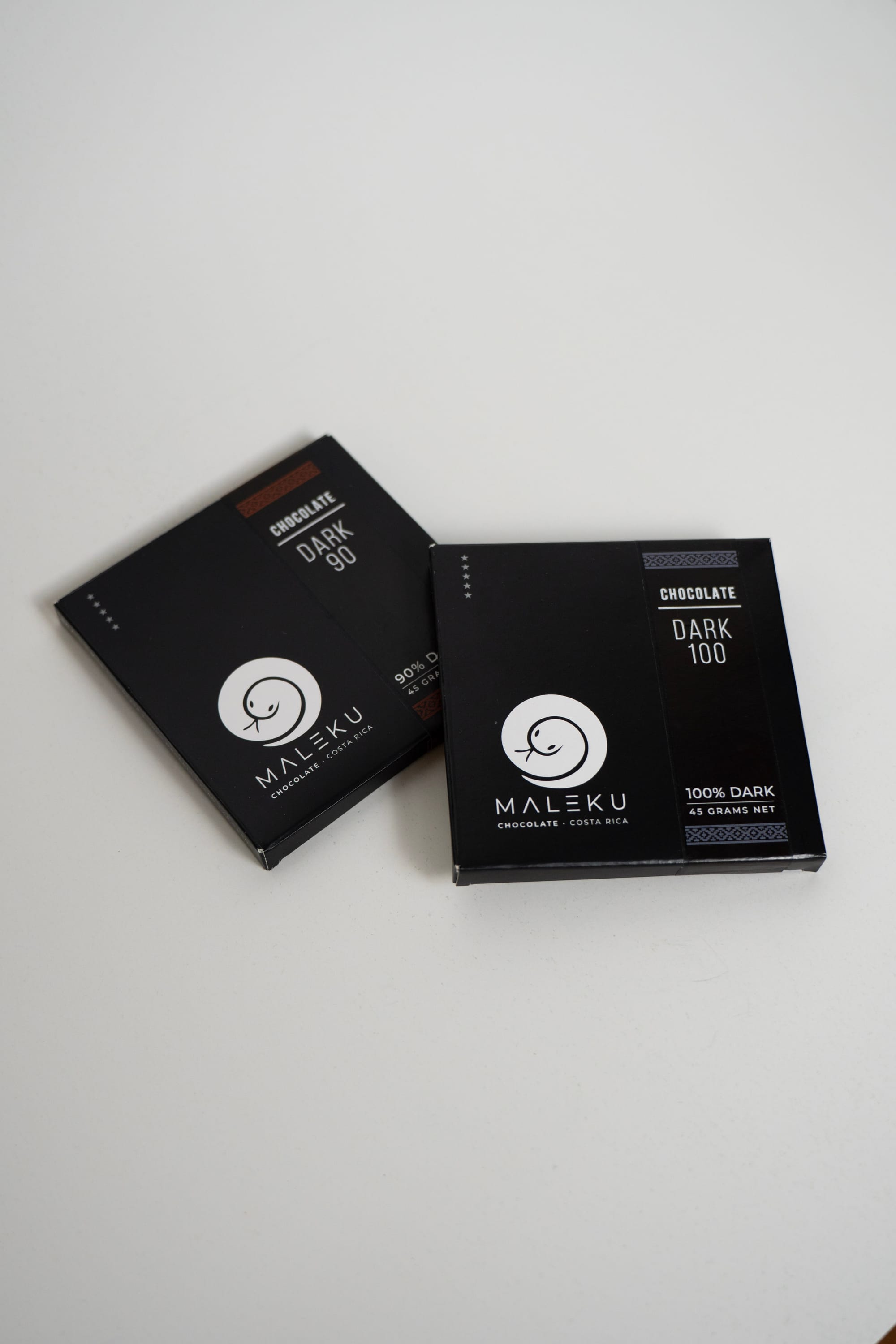
Maleku Chocolate as a Craft Expression
Maleku Chocolate, the luxury line from Blue Valley Chocolate, exists because of this revival.
It is built on:
- Single-estate organic cacao
- Forest-based farming systems
- Disciplined fermentation practices
- Restrained roasting profiles
- A strict no-additive standard
These choices are not decorative. They are structural.
Maleku Chocolate represents cacao interpreted carefully rather than manufactured aggressively.
Why Industrial Chocolate Cannot Imitate Craft
Industrial systems are designed to remove variability. Craft systems are designed to understand it.
Fine flavor cacao does not survive aggressive correction. Its aromatics are fragile. Its balance is narrow. It requires patience at every stage.
This is why craft chocolate cannot be scaled without compromise.
The masterpiece cannot be mass-produced without becoming something else.
The Craft Revival and Fine Flavor Cacao
The return of craft chocolate coincided with the rediscovery of fine flavor cacao.
When makers slowed down, they noticed that certain cacao expressions only appeared under specific conditions. Healthy soils. Balanced shade. Controlled fermentation. Gentle roasting.
Fine flavor was not new. It had simply been drowned out.
The craft revival created the conditions for it to be heard again.
The Blue Valley Workshop as Proof
The Blue Valley Workshop exists to make this transformation visible.
Visitors experience cacao before refinement and after. They learn how industrial shortcuts change flavor and why artisanal discipline restores it.
At the workshop, craft becomes tangible. Chocolate stops being mysterious and starts being legible.
This education is essential to the revival. Understanding protects craft from becoming a trend.
Costa Rica’s Role in the Revival
Costa Rica offers the conditions that craft chocolate requires. Biodiversity. Stable climates. Agricultural knowledge. A culture of conservation.
Near Brasilito, Guanacaste, Blue Valley Chocolate works within these conditions to produce cacao that supports fine flavor rather than volume.
This is how place reenters the chocolate conversation.
Craft as Responsibility
The craft revival is not about nostalgia. It is about accountability.
When chocolate is made carefully, responsibility cannot be avoided. Every choice leaves a trace. Every shortcut is visible.
Craft asks makers to stand behind their decisions.
This responsibility is what gives artisanal chocolate its authority.
From Mass to Meaning
Industrial chocolate excels at distribution. Craft chocolate excels at meaning.
One feeds markets. The other feeds understanding.
The revival of craft chocolate does not seek to replace industrial chocolate. It offers an alternative for those who value flavor, origin, and intention.
The Artisanal Masterpiece
An artisanal chocolate masterpiece is not defined by decoration or rarity. It is defined by coherence.
Nothing added unnecessarily. Nothing corrected aggressively. Nothing hidden.
Just cacao, translated with care.
At Blue Valley Chocolate, and through Maleku Chocolate, this is the standard we work toward every day.
A Revival That Endures
Trends fade when they rely on novelty. Craft endures when it relies on discipline.
The craft revival continues because it answers a real need. To taste something honest. To understand where it comes from. To trust the hand that made it.
From industrial mass to artisanal masterpiece, the journey is not backward. It is forward, with intention.