
- cacao finca costa rica,
- cacao fermentation control chocolate flavor,
- cacao ceremony,
- cacao belt,
- cacao from costa rica,
- chocolate bar,
- chocolate awards,
- chocolate master,
- chocolate benefits,
- cacao agroforestry biodiversity carbon Costa Rica,
- artisanal chocolate,
- agroforestry
Not a Flavor, A Lineage: Understanding Cacao as a Living Genetic Heritage
Flavor is where the chain ends. Genetics is where it begins. Understand cacao as a living genetic heritage rather than a commodity.
Chocolate discussions tend to live in the language of flavor. Fruity. Floral. Nutty. Earthy. Those descriptors are useful, but they are also the end of a very long chain. By the time a flavor compound reaches your palate, it has already traveled through the genetics of a specific cacao tree, the mineral chemistry of a specific soil, the microbiology of fermentation, and the applied heat of a roaster. Flavor is where the chain ends. Genetics is where it begins.
Understanding cacao as a living genetic heritage rather than a commodity ingredient changes what it means to produce fine chocolate. It changes the time horizon. It changes what questions the farmer asks. And it changes what you are actually buying when you choose a bar from a single-estate producer like Maleku Chocolate.
HOW CACAO GENETICS WORK IN PRACTICE
Cacao (Theobroma cacao) expresses extraordinary genetic diversity compared to most agricultural crops. The 10 major genetic groups identified in the Motamayor mapping study - which used molecular markers to classify cacao populations across the Americas - include Criollo, Forastero, Trinitario, and seven additional distinct groups (Maranon, Curaray, Iquitos, Nanay, Contamana, Purus, Nacional, and Guiana). Each group carries distinct flavor potential, disease susceptibility profiles, yield characteristics, and environmental adaptation.
Pure Criollo is the most aromatic and delicate of the major groups. Forastero, dominant in the bulk cocoa supply, is robust and productive but produces a simpler, more generic flavor profile. Trinitario is the natural hybrid - a cross between Criollo and Forastero that occurred in Trinidad after a catastrophic disease event nearly wiped out the island's Criollo population in the eighteenth century. Trinitario retains much of Criollo's aromatic complexity while gaining Forastero's resilience.
The cacao grown at the Blue Valley Chocolate Farm in Llano Azul, and at the El Higueron Chocolate Farm, is primarily Trinitario-lineage: the CATIE clones (CATIE-1, CATIE-4, CATIE-6) developed at Costa Rica's own Tropical Agricultural Research and Higher Education Center, alongside ICS (Imperial College Selections from Trinidad) and TSH (Trinidad Selected Hybrid) material. Costa Rica's cacao is recognized by the International Cocoa Organization as 100 percent fine or flavor grade at the national level, a designation held by fewer than 20 countries globally.
THE 26 VARIETIES THAT BELONG TO ONE PLACE
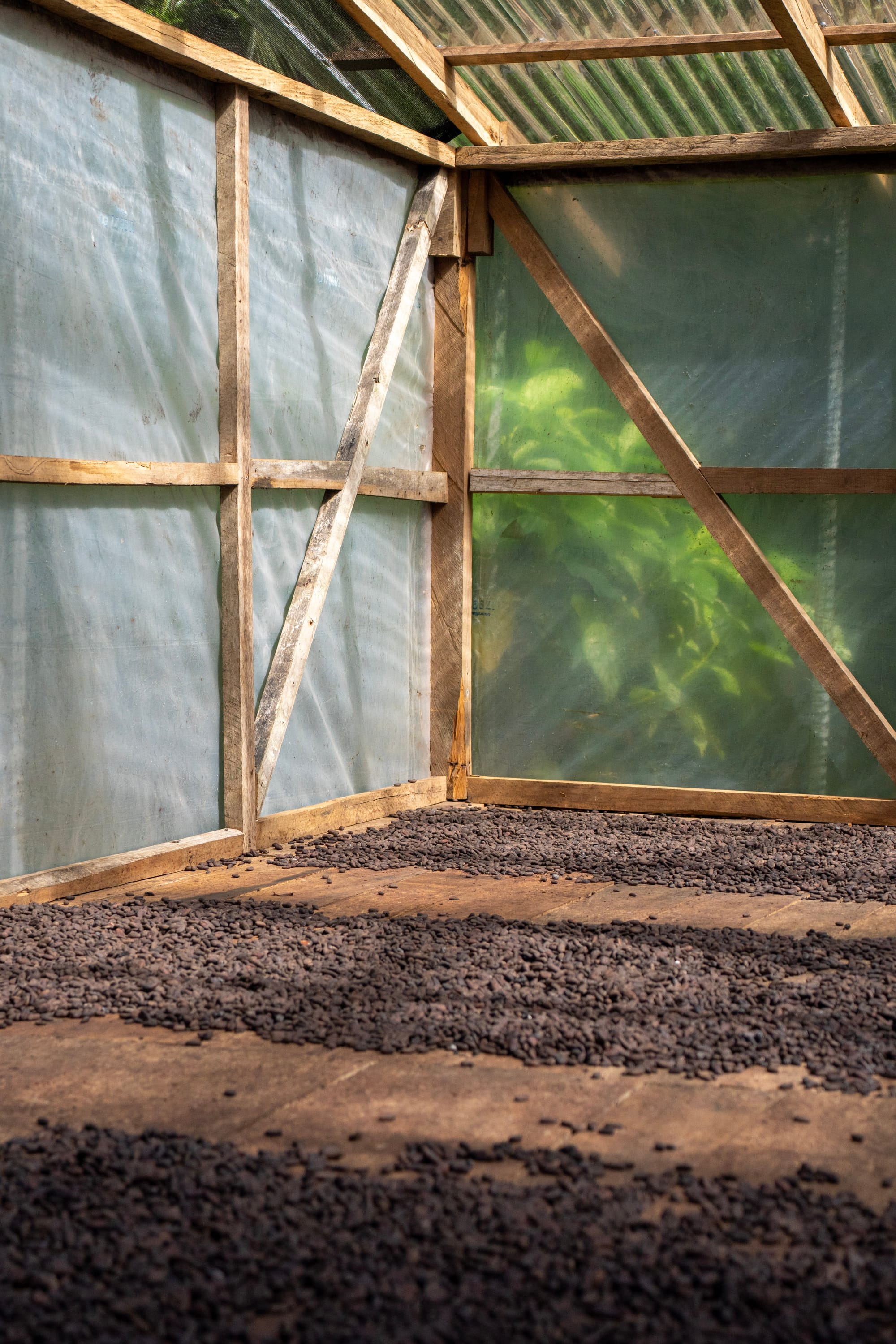
Above and beyond the professional clones, the Blue Valley Chocolate Farm has developed 26 proprietary cacao hybrid varieties, named Maleku 1 through Maleku 26, found nowhere else on earth. These varieties were not designed in a laboratory. They emerged from the farm itself - selected over years for exceptional flavor, disease resistance, and adaptation to the specific conditions of the Llano Azul valley.
Maleku 2, the standout variety in the lineup, produces a flavor profile characterized by exceptional smoothness and low bitterness even at very high cacao concentrations. An 85% bar made with Maleku 2-dominant cacao carries its refinement in the bean itself. Discover what that tastes like in the full bar collection.
WHY GENETIC HERITAGE IS NOT A METAPHOR
Genetic heritage refers to the accumulated selection history of a variety: the choices made by every farmer or plant breeder who multiplied one tree over another over the centuries. A variety developed and maintained in a specific location carries the environmental adaptation of that location written into its genome through selection pressure. The flavor profile associated with it - the specific volatile compound ratios formed during fermentation, the particular fatty acid composition of its cacao butter, the tannin structure that determines mouthfeel - is an expression of that tree's genetics interacting with that specific soil and climate.
This is why single-estate chocolate is not just a marketing category. It is a biological reality. Losing that genetic heritage would be an irreversible event. You cannot recreate a variety that has been lost any more than you can recreate an extinct language.
THE ARCHAEOLOGICAL CONFIRMATION
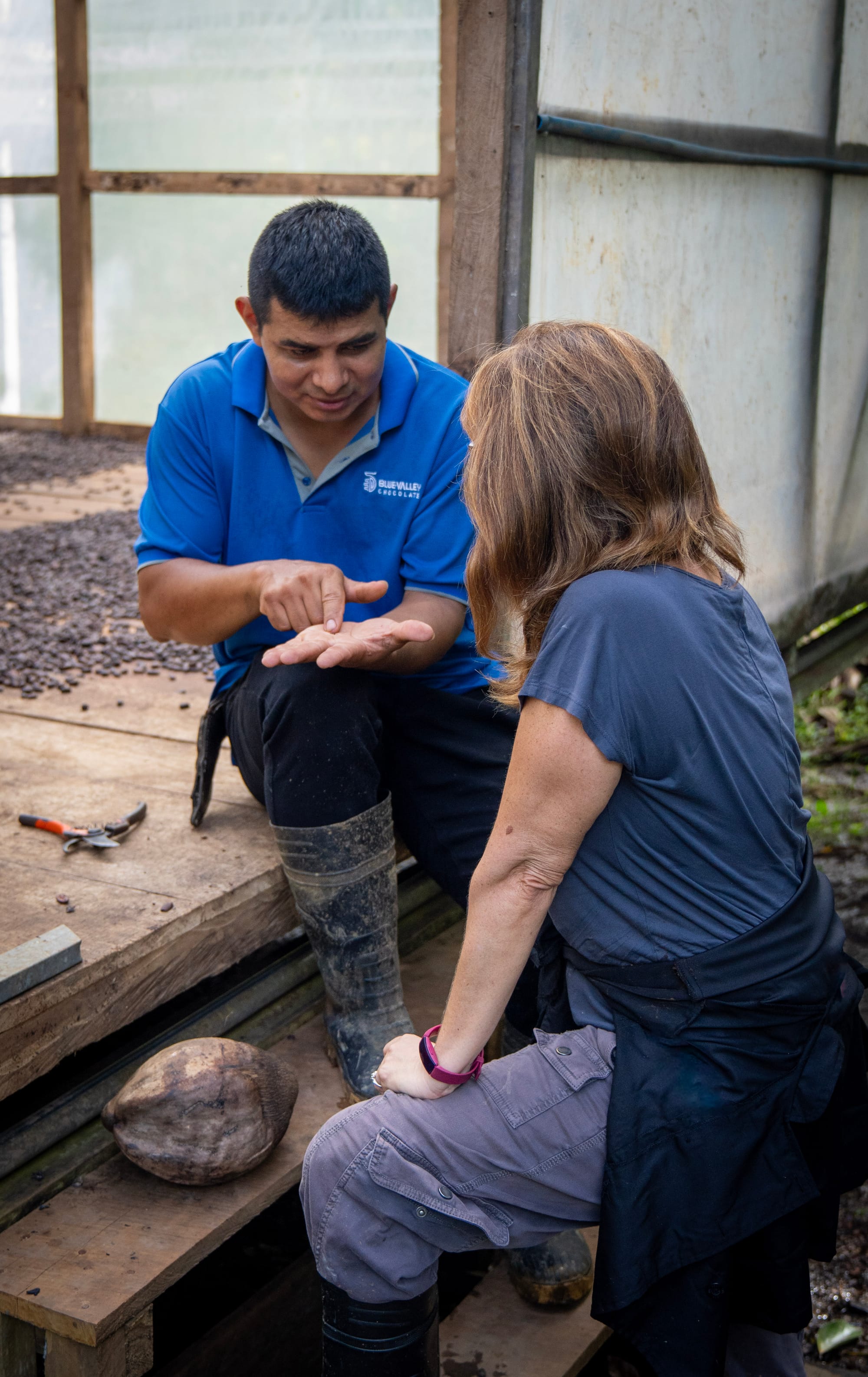
In 2019, ceramic fragments were discovered during cacao planting at the Llano Azul farm and proactively reported to the National Museum of Costa Rica. The site was registered as a pre-Columbian archaeological monument named Caju - the Maleku-language word for cacao - associated with human settlement dating to 300 BC. The site is now legally protected, with Maleku Chocolate responsible for its conservation.
That ceramic record tells you that the human selection of cacao in the Llano Azul valley has been ongoing for at least 2,300 years. The 26 Maleku varieties now being propagated across the two farms are the current chapter in a selection history that predates the Spanish colonial period and the formal science of plant genetics. The farm is, in the most literal sense, a living continuation of one of the oldest agricultural lineages in the Americas. Learn more about the farm and its history at Blue Valley Chocolate.
WHAT YOU HOLD WHEN YOU HOLD A BAR
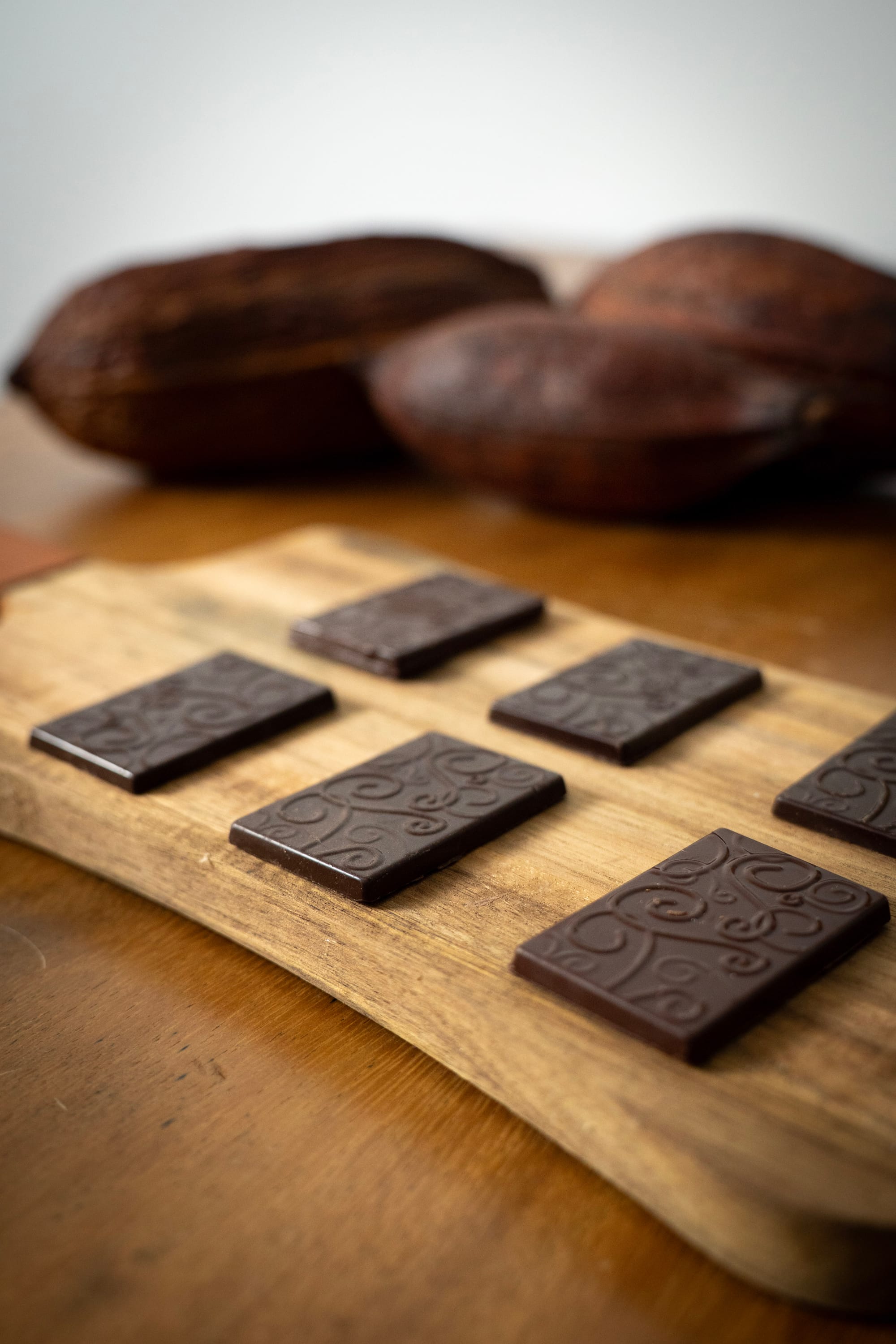
A bar of Maleku Chocolate is a physical object containing the output of a genetic lineage that has been selected, maintained, and refined over generations in a specific valley at the base of a Costa Rican volcano. The flavor you taste is the current expression of that lineage: the particular combination of varieties that were grafted and planted in the most recent cycle, grown in that soil, under that canopy, fermented with the specific microbial community that inhabits the farm, and roasted to the profile that best expresses what the beans' precursor chemistry makes possible.
It is not a flavor. It is a lineage. And every bar is a cross-section of that lineage at a particular moment in its ongoing development. Read more about Maleku Chocolate's story and the values that make this kind of long-horizon thinking possible.