
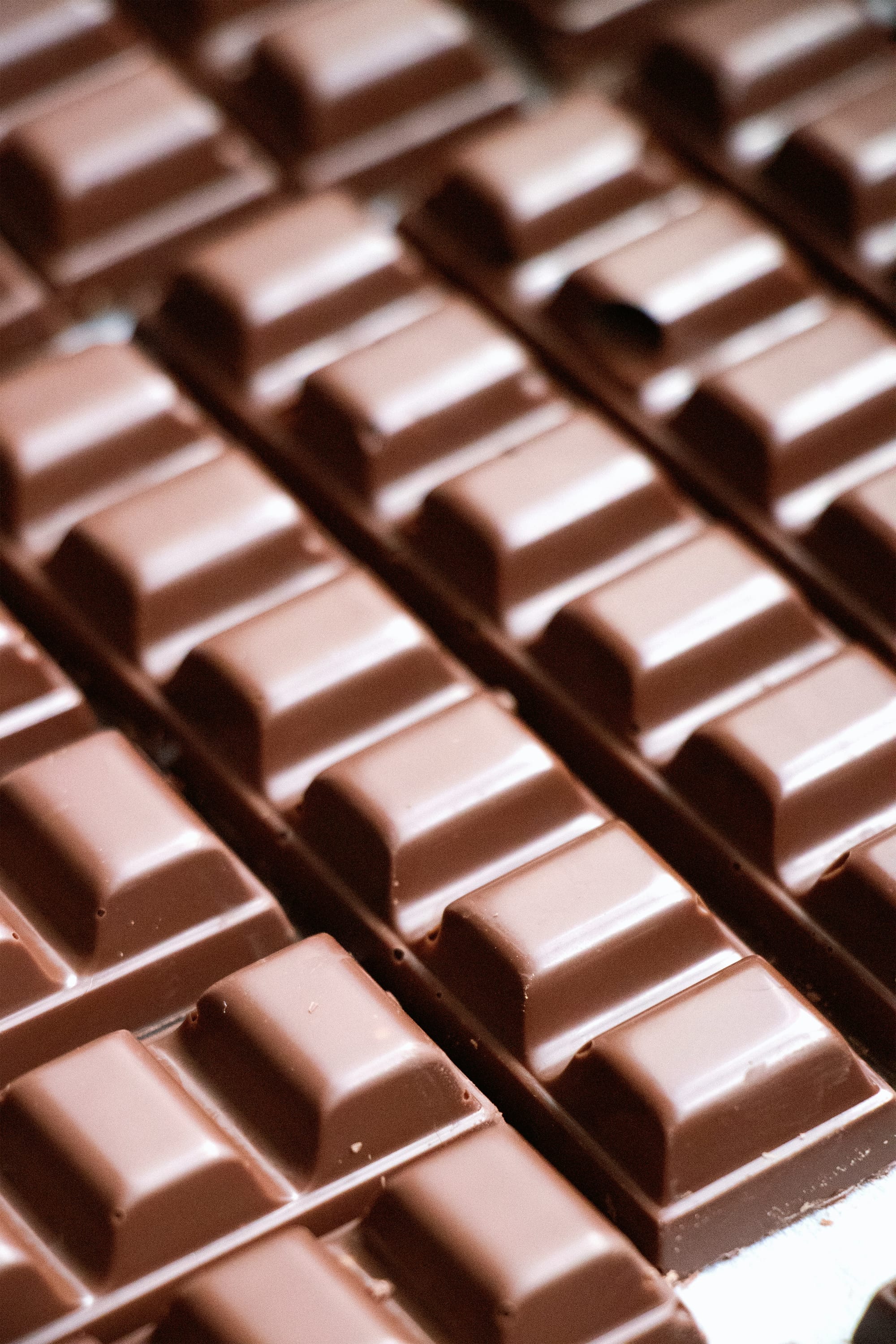
This Chef Turned Maleku Chocolate Into Art
Discover how a visionary chef transformed Maleku Chocolate into edible art. A story of organic cacao, artisanal chocolate, master craftsmanship, and luxury culinary expression from Costa Rica.
In the hands of a great chef, ingredients become ideas and in the hands of an exceptional chef, those ideas become art. When Maleku Chocolate entered the kitchen, the result was not simply a dessert, but a visual and sensory composition that redefined what chocolate could be.
This is the story of how Maleku Chocolate, a line crafted with organic cacao in Costa Rica, became a medium for culinary art.
Where Chocolate Becomes a Creative Language
For chefs who operate at the highest level, food is form, texture, color, and emotion. Chocolate, with its depth and versatility, offers limitless creative potential when its quality allows it and Maleku Chocolate provided that foundation.
Its smooth texture, precise tempering behavior, and complex flavor profile allowed the chef to work with confidence and freedom. The chocolate responded like a true artistic material, capable of structure, shine, and refinement.
This was not chocolate meant to be hidden in a recipe. It was chocolate meant to be seen.
An Ingredient Worth Displaying
Luxury chefs choose ingredients that can stand on their own. Maleku Chocolate, made using a meticulous bean-to-bar process, offers clarity of flavor and visual elegance that invite attention.
And the chef recognized this immediately.
Instead of building layers to mask the chocolate, the dessert was designed to frame it. Negative space, controlled geometry, and intentional minimalism allowed Maleku to take center stage. Each element on the plate existed to enhance the chocolate’s presence.
The result was a dessert that looked like a gallery piece and tasted like fine craftsmanship.
Organic Cacao as the Foundation of Art
Great art begins with great materials. Maleku Chocolate is made with carefully sourced organic cacao, cultivated in conditions that preserve the bean’s natural character.
For the chef, this mattered.
Organic cacao delivers cleaner flavors and greater precision, allowing subtle notes to emerge without interference. This purity made it possible to create a dessert that felt expressive yet restrained, indulgent yet balanced.
In luxury cuisine, restraint is often the highest form of mastery.
Technique Meets Intuition
Turning chocolate into art requires technical excellence. Tempering must be flawless. Thickness must be controlled. Temperature must be exact. Maleku Chocolate met these demands, responding consistently under the chef’s hands. But we have got to be honest, technique alone does not create art.
What elevated the dessert was intuition. The chef allowed the chocolate’s behavior, aroma, and finish to guide creative decisions. Shapes were adjusted. Textures refined. Colors balanced. Every adjustment respected the chocolate rather than forcing it.
This dialogue between ingredient and creator is where culinary art is born.
A Visual Experience Rooted in Flavor
While the dessert was visually striking, it never lost sight of flavor. Every artistic choice served a sensory purpose. Crisp elements contrasted with smooth cacao. Temperature shifts heightened aroma. The chocolate remained the anchor of the experience.
Guests did not just admire the plate. They engaged with it.
This balance between beauty and taste is what defines luxury desserts. Art without flavor is decoration. Flavor without intention is incomplete.
Maleku Chocolate made both possible.
From Costa Rica to the World of Culinary Art
Crafted in Brasilito, Guanacaste, Maleku Chocolate carries with it the essence of Costa Rica. Its origins are reflected not only in taste, but in philosophy. Respect for nature. Respect for craft. Respect for time.
By becoming the centerpiece of an artistic dessert, Maleku traveled beyond its place of origin and entered the global conversation of high gastronomy. It demonstrated that chocolate from Costa Rica belongs not only in tasting rooms, but on the most refined plates.
This moment represents a growing recognition of Costa Rica as a source of luxury culinary ingredients.
Chocolate as a Canvas
For the chef, Maleku Chocolate became a canvas. Its finish allowed light to reflect with intention. Its structure enabled sculptural forms. Its flavor grounded the experience in authenticity.
Chocolate, when crafted at this level, becomes expressive.
This transformation did not rely on excess or spectacle. It relied on quality. The kind of quality that invites interpretation rather than instruction.
A Shared Philosophy of Craft
The collaboration between chef and chocolate maker worked because they shared the same values. Precision. Patience. Purpose.
Maleku Chocolate is not produced for speed or volume. It is produced for excellence. That philosophy mirrors the mindset of chefs who treat cuisine as an art form.
When these worlds meet, the result feels inevitable.
Redefine Luxury Through Creativity
Luxury today is defined by originality and meaning. A dessert built around Maleku Chocolate embodies both. It offers something unique, rooted in real craftsmanship, and elevated through creative vision.
Guests did not just consume this dessert. They remembered it.
That is the true measure of culinary art.
When Chocolate Inspires Creation
Not every chocolate inspires a chef to create. Fewer inspire a chef to express.
Maleku Chocolate did both.
By becoming art on a plate, it proved that artisanal chocolate made with organic cacao can transcend expectation. It can move beyond indulgence and into expression.
Maleku tasted and interpreted.

