

- natural cacao flavor no dyes chocolate,
- cacao from costa rica,
- artisanal chocolate,
- chocolate master,
- chocolate awards,
- maleku chocolate,
- Maleku indigenous cacao heritage Costa Rica,
- organic cacao,
- organic chocolate,
- organic farm
The Ruby Paradox: Why Blue Valley Chocolate Avoids Dyes and Focuses on Natural Cacao Flavors
Discover why Blue Valley Chocolate avoids dyes and artificial color trends like ruby chocolate, focusing instead on natural cacao flavor, organic fermentation, and purity through Maleku Chocolate.
Color has always influenced how chocolate is perceived. Dark suggests intensity. Milk suggests comfort. White suggests indulgence. Recently, a new color entered the conversation and quickly captured attention.
Pink.
Marketed as innovation, ruby-style chocolate promised a new sensory experience through color first and flavor second. For many producers, this became an opportunity to differentiate visually. For us at Blue Valley Chocolate, it raised a more important question.
What is gained when chocolate becomes pink, and what is lost.
This is the ruby paradox.
When Color Leads, Flavor Follows
Chocolate has a natural color spectrum that comes from cacao genetics, fermentation quality, and roasting restraint. That spectrum ranges from deep mahogany to warm amber. It tells a story of how cacao was grown and handled.
When color is manipulated artificially, that story is interrupted.
Dyes and processing aids are used to create visual novelty, not to improve cacao. Flavor is adjusted to fit expectation rather than allowed to develop naturally.
Chocolate becomes designed rather than discovered.
The Illusion of Innovation
True innovation in chocolate happens quietly. Better farming. Better fermentation. Better restraint.
Color-based innovation moves in the opposite direction. It begins with appearance and builds a narrative around it. Flavor is expected to follow, but often it does not.
Pink chocolate may look different, but the cacao behind it is rarely treated differently. The work happens after the fact.
At Blue Valley Chocolate, innovation means improving what cacao can already do when treated correctly.
What Natural Cacao Already Offers
Fine cacao does not need visual intervention.
When cacao is grown in healthy systems and fermented with discipline, it naturally produces surprising sensory range. Bright acidity. Red fruit notes. Floral lift. Soft citrus. Long finishes.
These flavors are real. They come from biology, not branding.
They appear because:
- Sugars develop slowly in the pod
- Fermentation builds aromatic precursors
- Drying preserves volatile compounds
- Roasting translates rather than masks
Color remains honest because nothing is being hidden.
Why Dyes Conflict With Craft
Dyes solve no agricultural problem. They solve a marketing one.
Once dyes are accepted, accountability weakens. Flavor no longer needs to stand on its own. Texture and aroma become secondary to appearance.
For a chocolatier committed to craft, this is a dead end.
At Blue Valley Chocolate, and especially within Maleku Chocolate, our luxury line, every decision must protect cacao rather than decorate it.
Dyes distract from that responsibility.
Purity Requires Confidence
Avoiding dyes is not about purity as a slogan. It is about confidence in raw material.
If cacao is good, it does not need visual reinforcement. If flavor is clear, it does not need explanation.
This confidence comes from doing the work earlier. Organic farming. Single-estate sourcing. Disciplined fermentation. Careful roasting.
When those steps are correct, chocolate holds its own.
The Role of Fermentation in Color and Flavor
Fermentation influences both flavor and natural color.
Well-fermented cacao produces beans with uniform internal color and stable acidity. Poor fermentation results in uneven color and flat or aggressive flavor.
Rather than correcting appearance later, we correct process earlier.
This approach aligns color and flavor naturally. What you see reflects what you taste.
Maleku Chocolate and Natural Expression
Maleku Chocolate, the luxury line from Blue Valley Chocolate, is built on natural expression rather than visual novelty.
Single-estate organic cacao No additives No dyes No alkalization
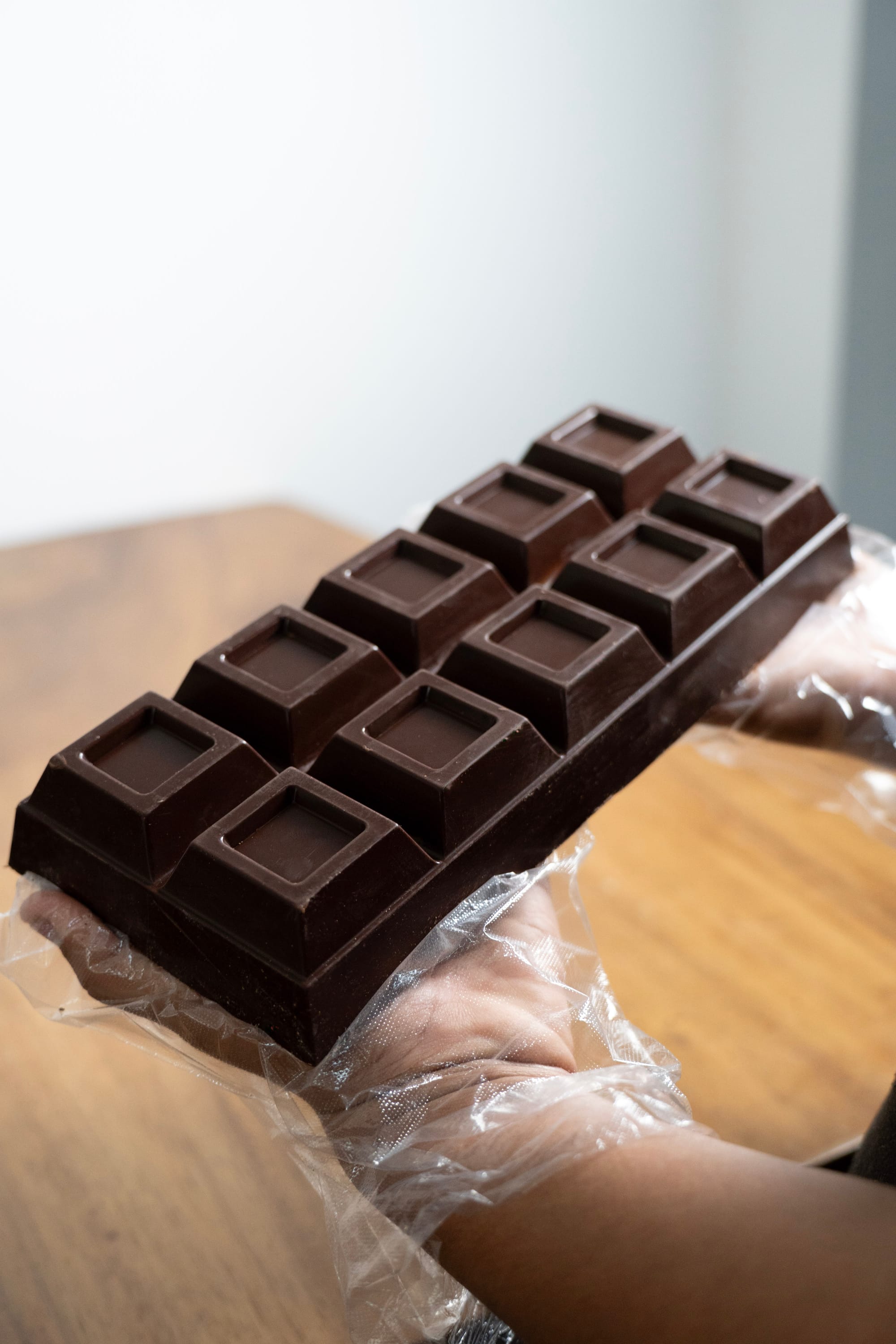
The color of each bar reflects the cacao and the season. Slight variation is not a flaw. It is information.
Five-star palates understand this immediately. Consistency of structure matters more than uniformity of appearance.
Why the Ruby Trend Misses the Point
The promise of ruby-style chocolate suggests that cacao needed reinvention. It did not.
What cacao needed was attention.
Attention to how it is grown, fermented or roasted.
When that attention is present, cacao offers more complexity than any color trend can provide.
The paradox is simple. By focusing on color, the industry risks ignoring flavor.
Chocolate as an Honest Material
At Blue Valley Chocolate, chocolate is treated as a material with limits and potential. Those limits guide our choices.
We do not ask cacao to become something else. We ask it to be itself, clearly.
That clarity is the foundation of trust.
Natural Flavor Is the Real Luxury
Luxury chocolate is not about surprise colors. It is about depth, balance, and finish.
Natural cacao flavor evolves on the palate. It invites attention rather than demanding it. It rewards patience.
This is the experience Maleku Chocolate is designed to deliver.
Beyond Trends, Toward Permanence
Trends move quickly. Craft moves slowly.
Dyes and novelty colors will come and go. Cacao grown well and handled carefully will remain.
At Blue Valley Chocolate, we choose permanence over spectacle.
When Chocolate Needs Nothing Added
The ruby paradox reveals something important. When chocolate relies on color to be interesting, it may not trust its own flavor.
We trust cacao.
That trust allows us to say no to dyes and yes to the slower, harder work that real flavor requires.