

- natural cacao flavor artisanal chocolate,
- artisanal chocolate fine flavor cacao,
- chocolate master,
- maleku chocolate,
- organic cacao,
- organic farm,
- organi chocolate,
- single estate farm
The Natural Palate: Why Pink Isn’t Always Better
Explore why Blue Valley Chocolate and Maleku Chocolate prioritize natural cacao flavor over color trends, and how a trained palate values balance, aroma, and integrity above visual novelty.
The palate is trained, whether we realize it or not.
Over time, we learn to associate color with expectation. Dark means intense. Milk means sweet. Pink now suggests fruit, acidity, or novelty before the chocolate even touches the tongue. These associations are powerful, but they are not always accurate.
At Blue Valley Chocolate, and through Maleku Chocolate, our luxury line, we work with a different assumption. Flavor should lead. Color should follow.
This is where the natural palate begins.
How Visual Cues Shape Taste
Taste does not operate in isolation. Sight influences perception before aroma or texture have a chance to speak.
When chocolate appears pink, the palate prepares for fruitiness and brightness. When it appears dark, bitterness and depth are expected. These cues are learned, not inherent.
The problem arises when color drives flavor rather than reflecting it. In those cases, the palate is guided by suggestion instead of experience.
For chocolatiers, this is a critical distinction.
What Natural Cacao Already Expresses
Cacao does not lack color or character.
When grown in healthy systems and fermented with care, cacao naturally expresses a wide range of flavors. Red fruit acidity. Citrus brightness. Floral lift. Soft nuttiness. Long cocoa finishes.
These notes appear without visual manipulation because they are built through biology and process.
Natural cacao does not need to be recolored to be interesting. It needs to be understood.
When Color Becomes the Message
Color-driven chocolate trends often invert the relationship between process and result. Instead of asking how cacao can express itself more clearly, the question becomes how chocolate can look different.
This shift prioritizes appearance over agriculture.
Dyes and processing aids create consistency of color, but they also disconnect the chocolate from fermentation, genetics, and terroir. Flavor becomes secondary.
For a natural palate, this imbalance is immediately noticeable.
The Role of Fermentation in Honest Flavor
Fermentation is where cacao earns its flavor identity.
Well-fermented cacao develops clean acidity and aromatic complexity. Poor fermentation results in bitterness or flatness that must be corrected later.
At Blue Valley Chocolate, we focus on fermentation as the foundation of expression. When fermentation is correct, color aligns naturally with flavor. There is no need to intervene visually.
The bean tells its own story.
Maleku Chocolate and Sensory Integrity
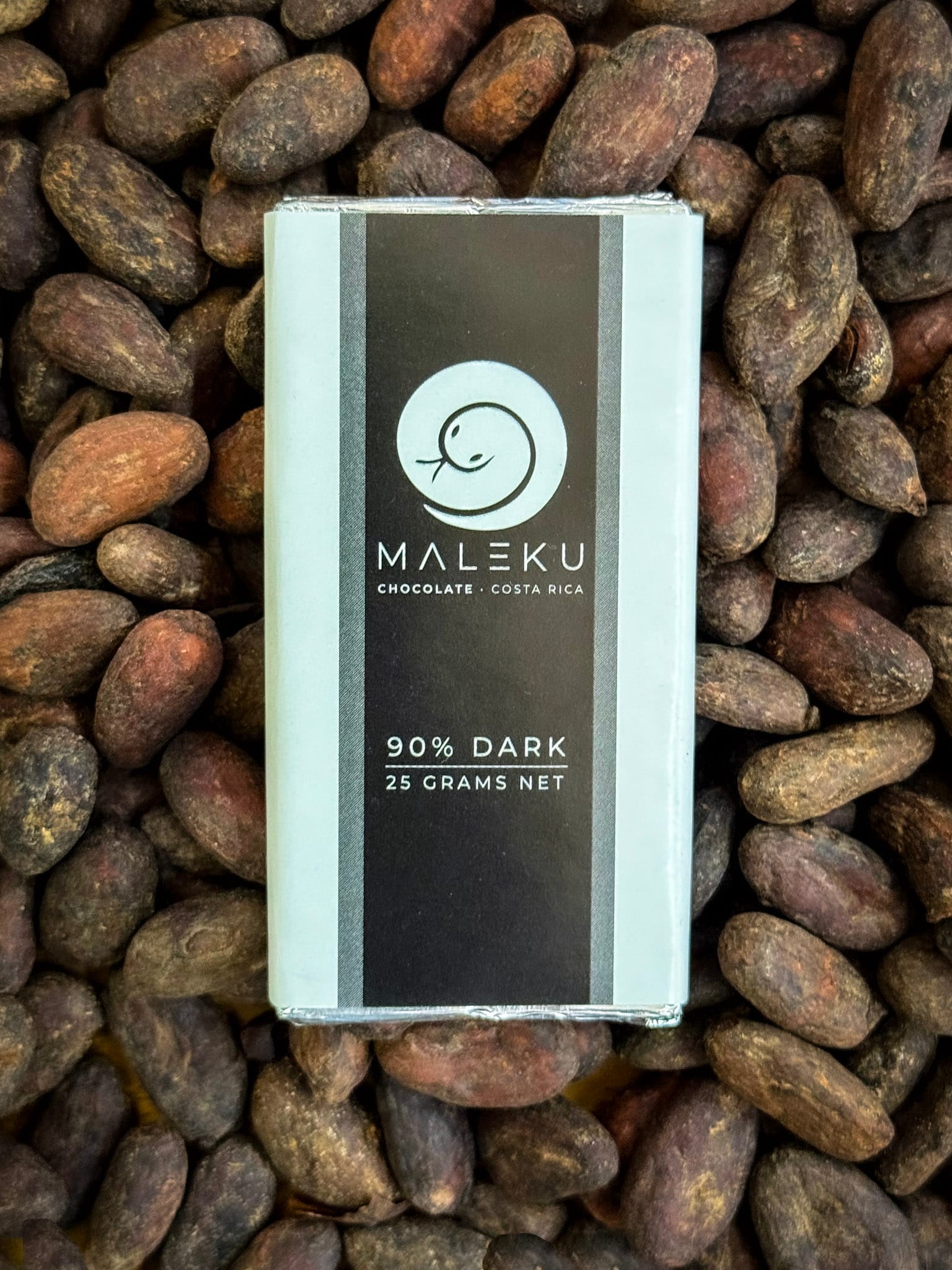
Maleku Chocolate, the luxury line from Blue Valley Chocolate, is designed for palates that value coherence.
Single-estate organic cacao . No dyes. No additives. No alkalization
Each bar reflects the cacao, the season, and the decisions made upstream. Slight variation in color is expected. It signals authenticity rather than inconsistency.
For trained palates, this honesty is reassuring.
Why Pink Can Distract the Palate
Pink chocolate asks the palate to focus on novelty first. The experience becomes comparative rather than attentive.
These questions replace more important ones. Natural cacao invites the second set of questions.
The Natural Palate Develops With Time
A natural palate is not immediate. It develops through repetition and restraint.
As people taste chocolate made without additives or color manipulation, they begin to notice structure. Texture matters. Acidity has shape. Finish becomes important.
This shift mirrors what happens in wine, coffee, or tea as palates mature.
Novelty loses power. Integrity gains it.
Luxury Without Visual Noise
Luxury chocolate does not need to announce itself visually.
Its confidence lies in:
- Balance rather than intensity
- Aroma rather than sweetness
- Length rather than impact
- Memory rather than surprise
This is why Maleku Chocolate feels composed rather than performative.
Chocolate as an Agricultural Product
When chocolate is treated as an agricultural product, its appearance becomes secondary to its origin.
Soil health. Shade systems. Fermentation discipline. Roasting restraint.
These factors shape flavor more profoundly than color ever could.
The natural palate recognizes this hierarchy instinctively.
Beyond Trends, Toward Understanding
Trends train the eye quickly. Craft trains the palate slowly.
Pink chocolate may catch attention. Natural cacao holds it.
At Blue Valley Chocolate, we choose to invest in understanding rather than spectacle.
When Less Interference Means More Flavor
The most expressive chocolate often looks the simplest.
No artificial color. No exaggerated claims. No distraction from what matters.
Just cacao doing what it does best when allowed to speak.
Trusting the Palate
The natural palate does not need instruction. It needs time.
When chocolate is made honestly, the palate responds. It recognizes balance. It remembers finish. It asks for another bite.
Pink is not always better.