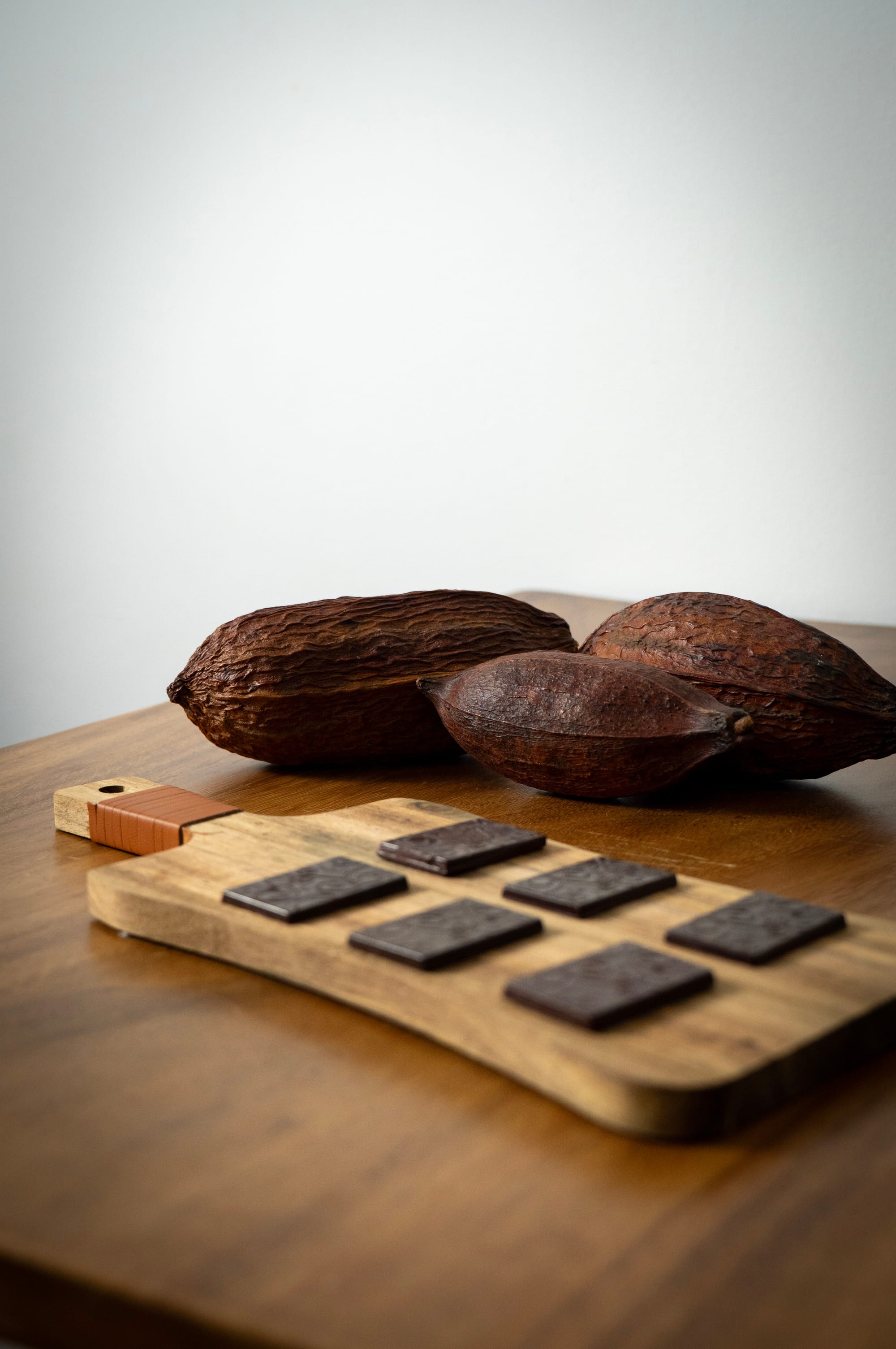

- Maleku cacao heritage Costa Rica,
- chocolate master,
- maleku chocolate,
- maleku costa rica,
- Maleku indigenous cacao heritage Costa Rica,
- Maleku single estate cacao experience,
- Maleku single estate cacao flavor development,
- artisanal chocolate
The Maleku Name: An Origin Story of Respect and Tradition
Discover the origin of the Maleku name and how Indigenous tradition, cacao heritage, and respect for the land shaped Maleku Chocolate’s identity and artisanal philosophy.
Names carry weight. Especially in chocolate or more specifically in cacao.
In an industry where origin is often reduced to a label and heritage is borrowed casually, choosing a name requires restraint and responsibility. The name Maleku was not chosen for sound or symbolism alone. It was chosen because it represents a way of understanding land, cacao, and time that aligns with how true chocolate should be made.
This is the story behind that choice.
Who Are the Maleku in Costa Rica
The Maleku are one of Costa Rica’s Indigenous peoples, traditionally located in the northern lowlands of the country. Their culture developed in close relationships with rivers, forests, and fertile land. Survival depended on balance, observation, and respect for natural cycles.
For the Maleku, nature was never a backdrop. It was a living system that required attention and care.
This worldview shaped how food was grown, prepared, and shared. Cacao, like many native plants, was treated with intention. Not as a commodity, but as something valuable because it sustained life and community.
That distinction matters.
Cacao Before Commerce
Long before cacao became a global luxury product, it held deep cultural importance across Central America. Indigenous cultures understood cacao as nourishment, ritual, and connection.
Among the Maleku and neighboring cultures, cacao was never rushed. Harvest timing mattered. Preparation mattered. Sharing mattered.
There was no separation between quality and ethics. They were the same thing.
As a cacao maker, you learn quickly that this mindset produces better cacao. Beans grown and handled with patience carry clarity. Flavor develops naturally. Balance replaces excess.
This knowledge existed long before modern terminology tried to define it.
Why the Name Matters in Chocolate
Chocolate remembers how it was treated (and even though it sounds like poetry, it is a fact)
Cacao grown with care ferments cleanly. Cacao harvested impatiently tastes thin. Soil health shows up in the finish. Stress leaves bitterness.
The Maleku name represents a philosophy where attention comes before extraction. That philosophy mirrors what serious chocolate making demands.
We chose the name Maleku because it sets a standard. It reminds us that chocolate should begin with respect or it has no reason to exist.
Respect Is Not Ownership
Using an Indigenous name carries responsibility.
Maleku Chocolate does not claim to represent the Maleku people. We do not speak for them. We honor them by aligning our actions with values they lived by long before chocolate became fashionable.
Respect means restraint. It means accuracy. It means ensuring that our work does not contradict the meaning of the name we carry.
Every decision we make is measured against that responsibility.
Tradition as Discipline, Not Nostalgia
Tradition is often misunderstood as something static but in reality, it is disciplined knowledge passed forward. The Maleku indigenous group survived because they adapted without abandoning principles. They observed patterns, adjusted methods, and protected what sustained them.
That approach is identical to how fine cacao must be handled.
Single-estate sourcing, organic cultivation, careful fermentation, restrained roasting are not trends. They are expressions of discipline rooted in understanding limits.
Tradition lives where restraint exists.
The Land as the First Ingredient
The Maleku relationship with land was intimate. Forests were not cleared recklessly. Rivers were not polluted casually. Balance ensured survival.
At Blue Valley Chocolate fincas, this understanding guides how cacao is grown. Shade-grown systems. Regenerative reforestation. Biodiversity as protection rather than decoration.
These practices are not modern inventions. They are refinements of Indigenous logic applied with current tools.
Good cacao requires living land. Maleku understood this instinctively.
Luxury Without Disconnection
Modern luxury often separates product from origin. Fine chocolate should do the opposite.
True luxury is knowing exactly where something comes from and standing behind how it was made.
The Maleku name anchors the brand to a place and a responsibility. It refuses anonymity. It refuses shortcuts.
Luxury chocolate that forgets its origin loses its meaning.
A Name That Demands Integrity
The Maleku name does not allow compromise.
It demands organic cacao grown with intention. It demands single-estate accountability.It demands patience in fermentation and roasting.It demands honesty in flavor.
Anything less would hollow the name.
As a chocolate maker, this pressure is welcome. It keeps standards high and decisions clear.
Carrying the Name Forward
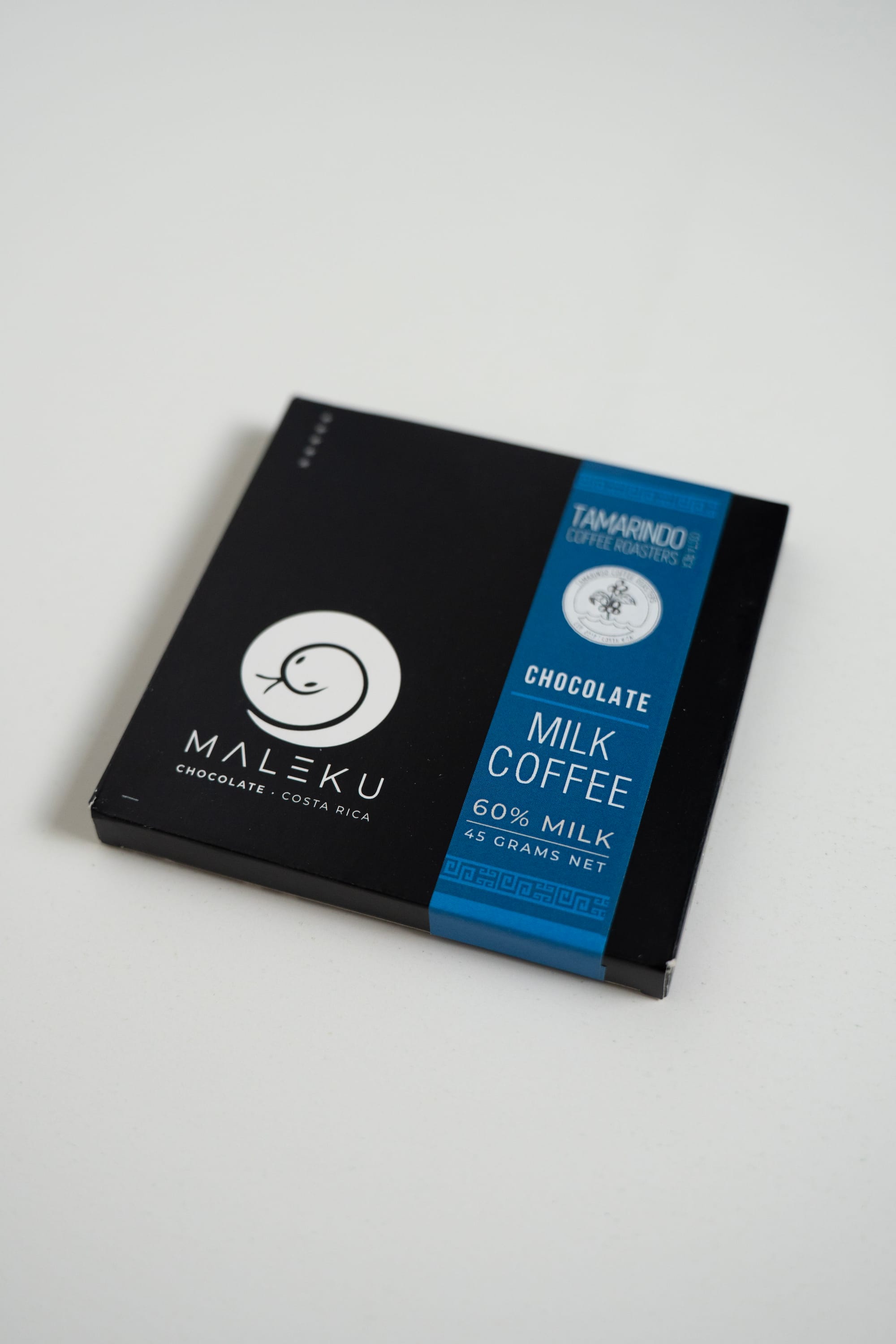
Every Maleku bar carries more than cacao. It carries a reminder that chocolate is older than industry and deeper than marketing.
The name is not a story we tell. It is a responsibility we carry.
When you taste Maleku Chocolate, you are tasting a commitment to origin, to land, and to the idea that chocolate should honor where it comes from.
Origin Is Not a Trend
The Maleku people existed long before cacao was branded and will exist long after trends fade.
Their relationship with nature offers a blueprint for making chocolate that lasts, both in flavor and in meaning.
We chose the name Maleku because it points backward and forward at the same time.
Backward to respect. Forward to responsibility.