
- artisanal chocolate,
- artisanal chocolate craft revival,
- is chocolate an aphrodisiac, cacao and mood, theobromine chocolate, chocolate and romance, Valentine's Day chocolate facts, cacao mood benefits, dark chocolate science,
- cacao and mood,
- cacao mood benefits,
- dark chocolate science,
- theobromine chocolate
Is Chocolate Really an Aphrodisiac? What the Science Actually Says | Maleku Chocolate
Is chocolate an aphrodisiac or just a very convincing rumor? We dig into the real science behind theobromine, anandamide, and PEA — and why 4,000 years of human history might be onto something.
Let's address the question that has hovered over every Valentine's Day chocolate display since at least the 16th century: is chocolate actually an aphrodisiac, or is that just marketing dressed in red foil?
The honest answer is that it depends on what you mean by aphrodisiac.
If you mean "will eating a chocolate bar send you into a state of romantic frenzy" — no. Scientists have looked for that effect and come up short. But if you mean "does cacao contain documented, peer-reviewed, biochemically real compounds that elevate mood, trigger the brain's pleasure circuits, reduce stress, and heighten sensory awareness" — then yes. Emphatically yes. And the story of why ancient peoples across multiple continents independently decided cacao was something sacred and deeply sensual is far more interesting than anything a confectionery brand invented.
This is about the real science. Not the legend. Both happen to be compelling.
The Aphrodisiac Reputation Is 4,000 Years Old
Before the science, we need to talk about the origin story. Because the aphrodisiac reputation of chocolate did not begin with a Hallmark holiday. It is genuinely ancient.
The earliest documented evidence of humans consuming cacao comes from pottery at the Santa Ana-La Florida site in Ecuador, dated to approximately 4,000 years ago. The Mayo-Chinchipe-Maranon people were drinking fermented cacao beverages long before any Mesoamerican civilization turned it into something ceremonial. When cacao moved north through Central America, the Olmec, Maya, and Aztec civilizations each picked up where the previous left off, refining both the cultivation and the mythology.
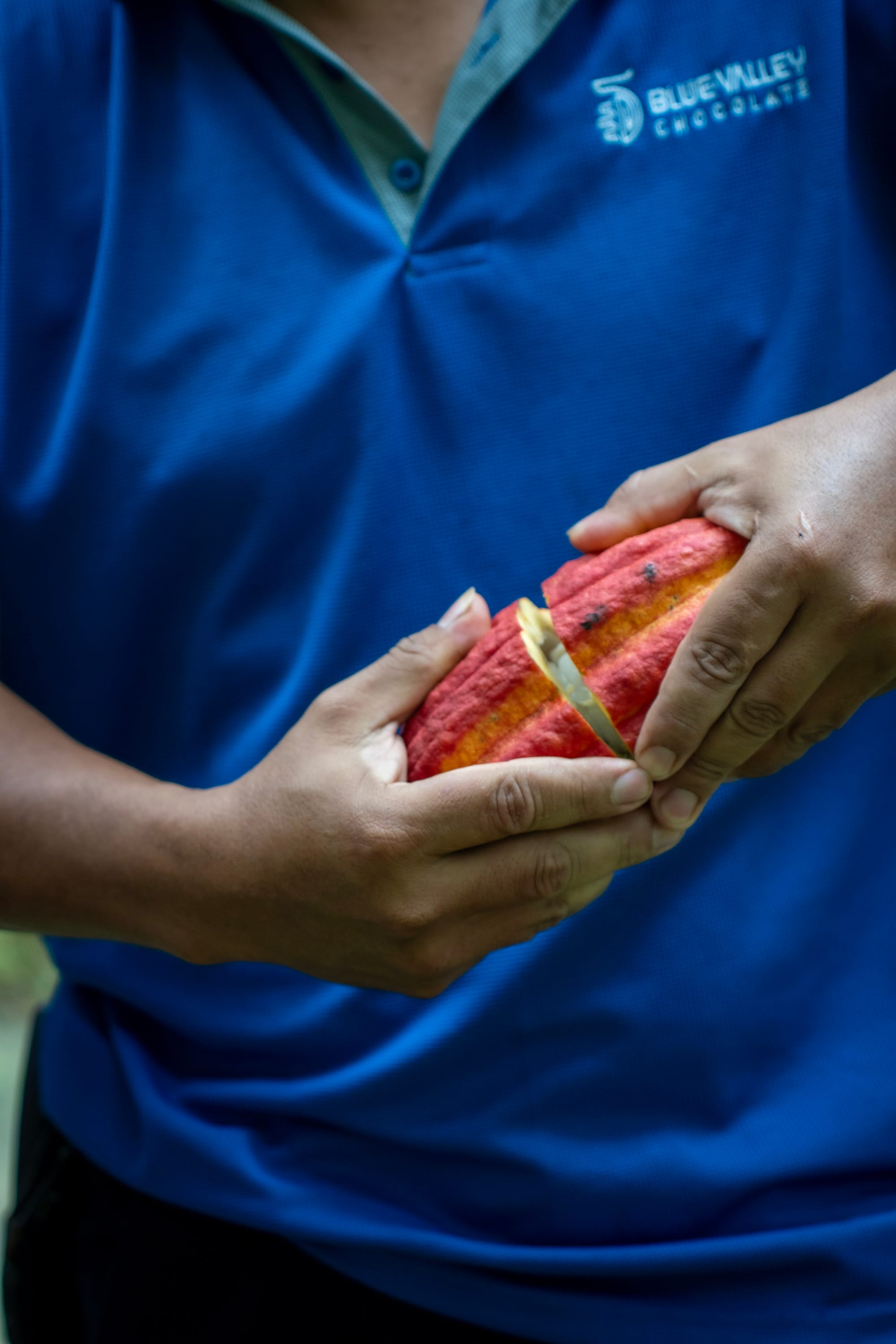
The Maya called their chocolate drink "chikolatl." The Aztec god Quetzalcoatl was said to have brought cacao from the divine world to humanity and was banished from paradise for the gift. Moctezuma II reportedly drank cacao before visiting his wives. The Spanish encountered this association in 1519 and carried the idea back to Europe, where it landed in the courts of France, Spain, and England with considerable enthusiasm. By the 17th century, chocolate houses in London were being described in terms that would raise eyebrows today.
What is genuinely remarkable is that none of these cultures had any way to analyze what was in cacao. They were working entirely from observation and experience, and they kept arriving at the same conclusion: this plant did something to mood and desire that nothing else did. They were not wrong. They just did not have the vocabulary for why.
The Women Who Controlled Cacao
There is also a dimension of this history that rarely gets discussed. In multiple indigenous traditions across Mesoamerica and Central America, cacao was primarily in the hands of women. Among the Maya, chocolate drinks were traditionally prepared by women, not men. Women made it, served it, and used it specifically in the context of marriage ceremonies and family bonds. After the Spanish conquest, indigenous women taught their chocolate preparation techniques to colonists — the knowledge moved through female hands.
In Costa Rica today, that tradition is not extinct. Among the BriBri and Cabecar communities of the Talamanca mountains, cacao remains a living cultural element, described by community members as "a means to connect to each other, to culture, to love, to family, to ancestry." Approximately 80% of cacao producers in Talamanca are indigenous women, organized through community associations that have used cacao cultivation as a tool for economic autonomy and leadership. The association between cacao, women, and intimacy was not a metaphor. It was a practical reality.
The Maleku people of northern Costa Rica (the people for whom our Maleku Chocolate bar line is named, with genuine respect) have their own relationship with cacao that is inseparable from the land our farm sits on. The full story of what we found while planting cacao at Llano Azul, and what it means, is told in The Story of Caju.
Four thousand years of independent human observation is a data set. And the data kept pointing the same direction.
What Is Actually in Cacao and What Does It Do to Your Brain
Now for what the research actually says, because this is where the story gets interesting enough that you do not need mythology to sell it.
Cacao contains theobromine, the primary alkaloid responsible for dark chocolate's characteristic bitterness and its lasting, mellow energy. Unlike caffeine — which hits fast and produces anxiety as a side effect — theobromine is gentler and longer. It dilates blood vessels, mildly lowers blood pressure, and produces sustained alertness without the crash. The cardiovascular effect matters beyond heart health: improved blood flow means heightened sensitivity and heightened sensory experience. This is not a coincidence of chemistry. It is exactly the mechanism that indigenous communities were observing and utilizing for thousands of years in ceremonial cacao preparations.
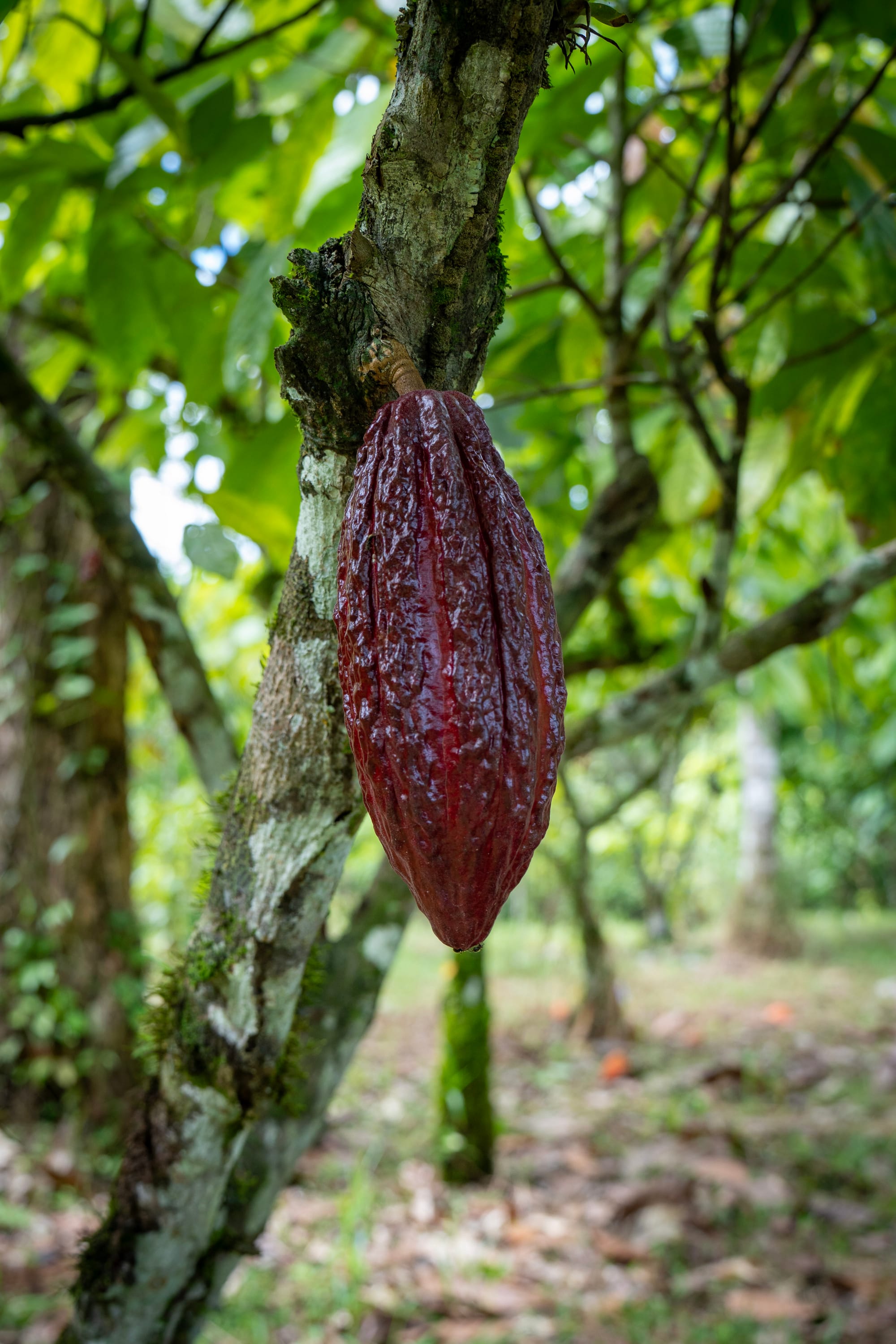
Then there is phenylethylamine, often called the "love molecule" in neuroscience literature — not by chocolate marketers, by researchers. PEA is the same compound your brain naturally produces when you are attracted to someone. It triggers the release of endorphins and dopamine, the neurochemicals the brain associates with pleasure, reward, and excitement. Cacao delivers a small but real dose of PEA. The honest caveat: PEA from food metabolizes quickly, and scientists debate how much crosses the blood-brain barrier before it breaks down. The effect is subtle. Think of it as a dimmer, not a switch. But your brain produces PEA when you fall in love, and cacao contains PEA. That is not a coincidence of marketing. It is a coincidence of biochemistry.
The compound with the best name in nutritional science is anandamide. It comes from the Sanskrit word "ananda," meaning bliss. Anandamide is an endocannabinoid, a naturally occurring compound in cacao that binds to the same receptors in the brain as THC, producing feelings of happiness, calm, and mild euphoria. Cacao also contains compounds called N-acylethanolamines that inhibit the breakdown of anandamide in the body, which means the bliss molecule cacao delivers sticks around longer than it otherwise would. The researchers who named it were not being whimsical. They were being precise.
Beyond these three, cacao is one of the richest dietary sources of flavanols. Flavanols are a class of antioxidant compounds with extensively documented effects on brain function and blood vessel health. Research has linked cocoa flavanol intake to enhanced blood flow to the brain and improved cognitive function, which is part of why the cacao we grow at our single-estate farm in Llano Azul matters as much as how we process it. Cacao also triggers the release of serotonin and endorphins, and contains tryptophan, the amino acid the brain uses as a raw material to manufacture serotonin. The mood pathway in cacao is not a single compound. It is a cluster of mechanisms working simultaneously, each modest on its own, collectively real.
Taken together: theobromine, PEA, anandamide, flavanols, serotonin precursors, endorphin triggers. Mild cardiovascular stimulation. Activation of the brain's pleasure circuits. Elevated mood. Reduced stress. Heightened sensory awareness. Is that an aphrodisiac? The dictionary definition is a substance that arouses desire. Whether cacao qualifies depends on how narrow your definition is. What is not in question is that it contains documented compounds that improve mood, lower anxiety, and make the body more sensitive to pleasure. Ancient cultures observed this with enough consistency to build rituals around it. The science confirmed the mechanism. The two stories, separated by four thousand years, tell the same thing.
Not All Chocolate Is the Same and That Gap Is Enormous
Here is the part most articles on this subject skip entirely, and it matters enormously if you are thinking about this from a health or practical standpoint.
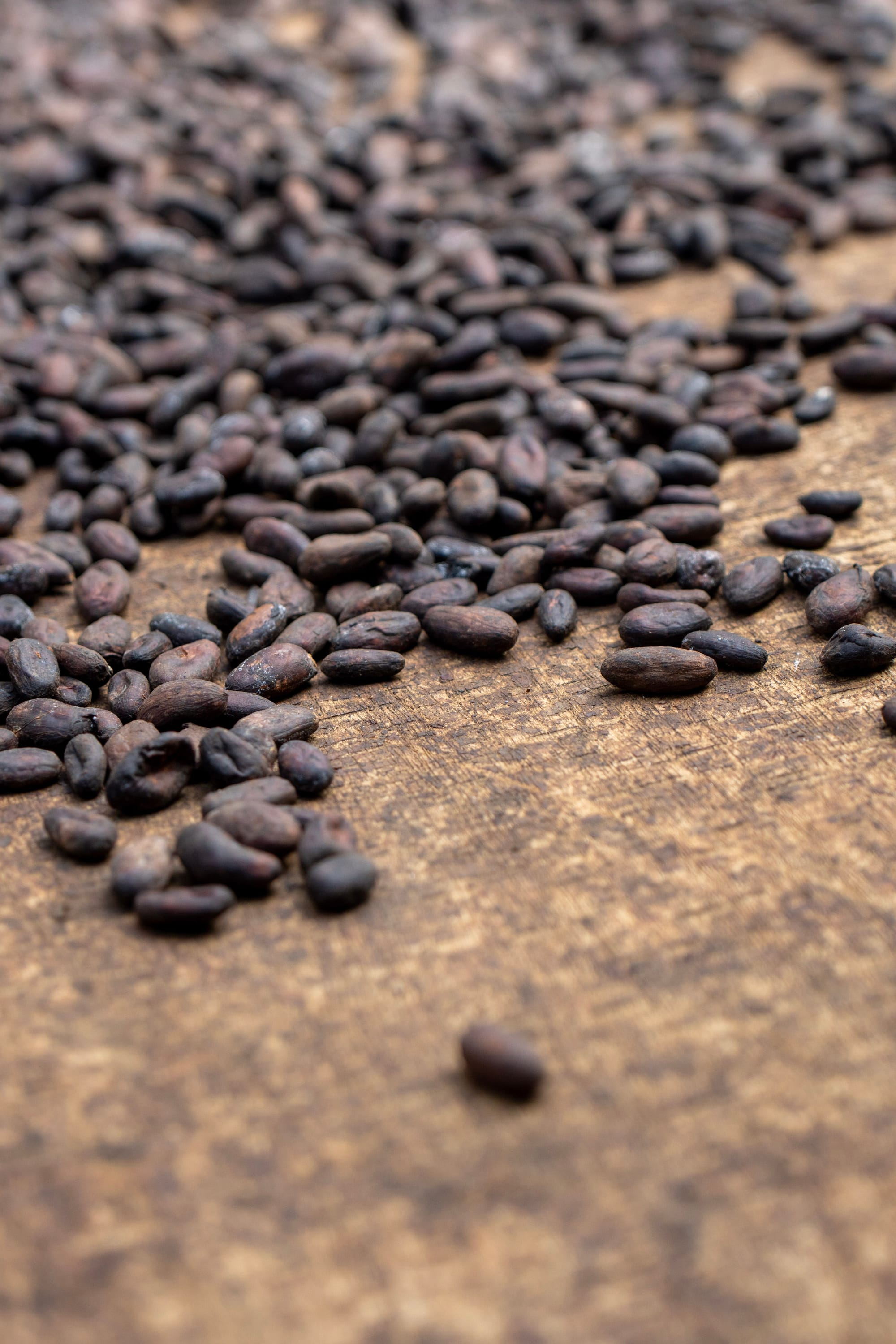
Not all chocolate is the same. Not even close. The compounds mentioned above: anandamide, flavanols, PEA, theobromine, are concentrated in the cacao solids. They diminish with processing. Flavanols are specifically destroyed by alkalization, the industrial process used in most commercial "Dutch process" cocoa. Anandamide degrades with heavy heat treatment. PEA is most concentrated in minimally processed cacao. Theobromine is highest in raw nibs and high-percentage dark chocolate.
The bar you buy at a convenience store (alkalized, 20% cacao content, mostly sugar and vegetable fat) delivers almost none of these compounds in meaningful concentrations. The research that established these mood effects was conducted on real cacao, not on confectionery chocolate engineered to a price point.
The ceremonial cacao used across Mesoamerica and Costa Rica for thousands of years was not processed. It was the whole bean, ground and dissolved in water, bitter and intense. That is the version with the highest compound concentration. That is what was being prepared in those ceremonies.
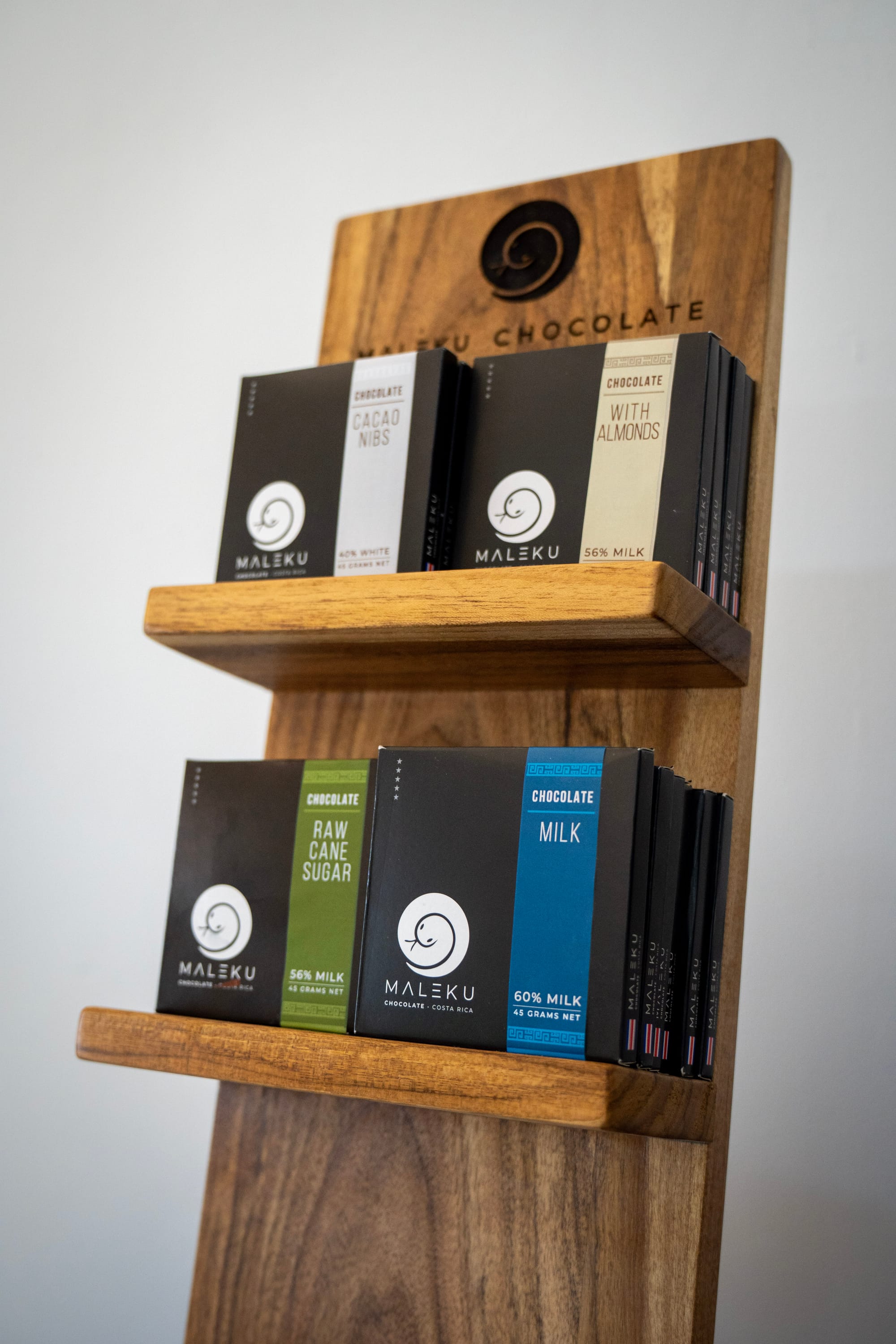
At Maleku Chocolate, every bar in our line is made from single-estate cacao grown at our farm in Llano Azul, Upala. The same volcanic soil at the base of Tenorio Volcano that the Maleku people have farmed for centuries. We do not alkalize. We do not add anything that does not belong. The 70% Dark, the 85%, the 90%, and the 100% pure cacao bar retain the full compound profile that processing strips away. The 70% Dark won Gold at the International Chocolate Awards and the 85% took Bronze — part of the nine awards the Maleku Chocolate line has earned across ICA and Feria de Chocolate. These bars taste the way they do because the cacao is grown and handled with the intention of preserving what makes it extraordinary, including the things that make it good for you.
If you are going to eat chocolate for the mood, eat the real thing.
The Verdict
So. Is chocolate an aphrodisiac?
It is a mood elevator with documented neurochemical effects, a cross-cultural history of use for exactly this purpose spanning four thousand years, and a compound profile that (in high-quality and minimally processed form) genuinely does something to how you feel. It is not a pharmaceutical. It will not manufacture desire from nothing. But the Olmec, the Maya, the Aztec, and the indigenous communities of Costa Rica were all observing the same plant produce the same effects, independently, across millennia. That is not mythology. That is pattern recognition by people who were paying close attention.
The researchers caught up eventually. They just needed better equipment.

Frequently Asked Questions
Does chocolate actually boost your mood? Yes. Cacao contains theobromine, phenylethylamine (PEA), anandamide, flavanols, and tryptophan — compounds with documented effects on mood, blood flow, endorphin release, and serotonin production. The effects are real. The magnitude depends on the quality and cacao percentage of what you eat.
Is dark chocolate better than milk chocolate for mood effects? Significantly. The mood-relevant compounds are concentrated in the cacao solids. Higher percentage means more compound activity. Alkalized or heavily processed chocolate also loses a large portion of its flavanol content before it reaches you.
What is anandamide? It is an endocannabinoid naturally present in cacao that binds to the same brain receptors as THC and produces feelings of happiness and mild euphoria. Its name comes from the Sanskrit word for bliss. Cacao also contains compounds that slow its breakdown in the body, potentially extending its effects.
Why have so many different cultures associated chocolate with romance? Because the association is biochemically grounded. The Olmec, Maya, Aztec, and various Costa Rican indigenous peoples observed independently that cacao affected mood, energy, and sensory experience in ways other foods did not. They were correct. The compounds responsible have since been identified and studied in peer-reviewed research.
What is the best chocolate to give for Valentine's Day or any romantic occasion? Our 70% Dark is the founder's personal choice and an International Chocolate Awards Gold winner. The 40% White Chocolate with Nibs is the most popular bar in the lineup (creamy, complex, a two-time ICA Silver winner) for anyone who prefers something on the milder end. The 78% Dark with Orange is a bar that speaks for itself. Or try the Premium Taster 6-Pack and let them find their own favorite. See the full lineup and current pricing at bluevalleychocolate.com.