
- agroforestry,
- artisanal chocolate,
- cacao finca costa rica,
- cacao from costa rica,
- chocolate bar,
- chocolate awards,
- chocolate benefits
Chocolate as a Cultural Archive: Preserving Indigenous Knowledge Through Taste and Practice
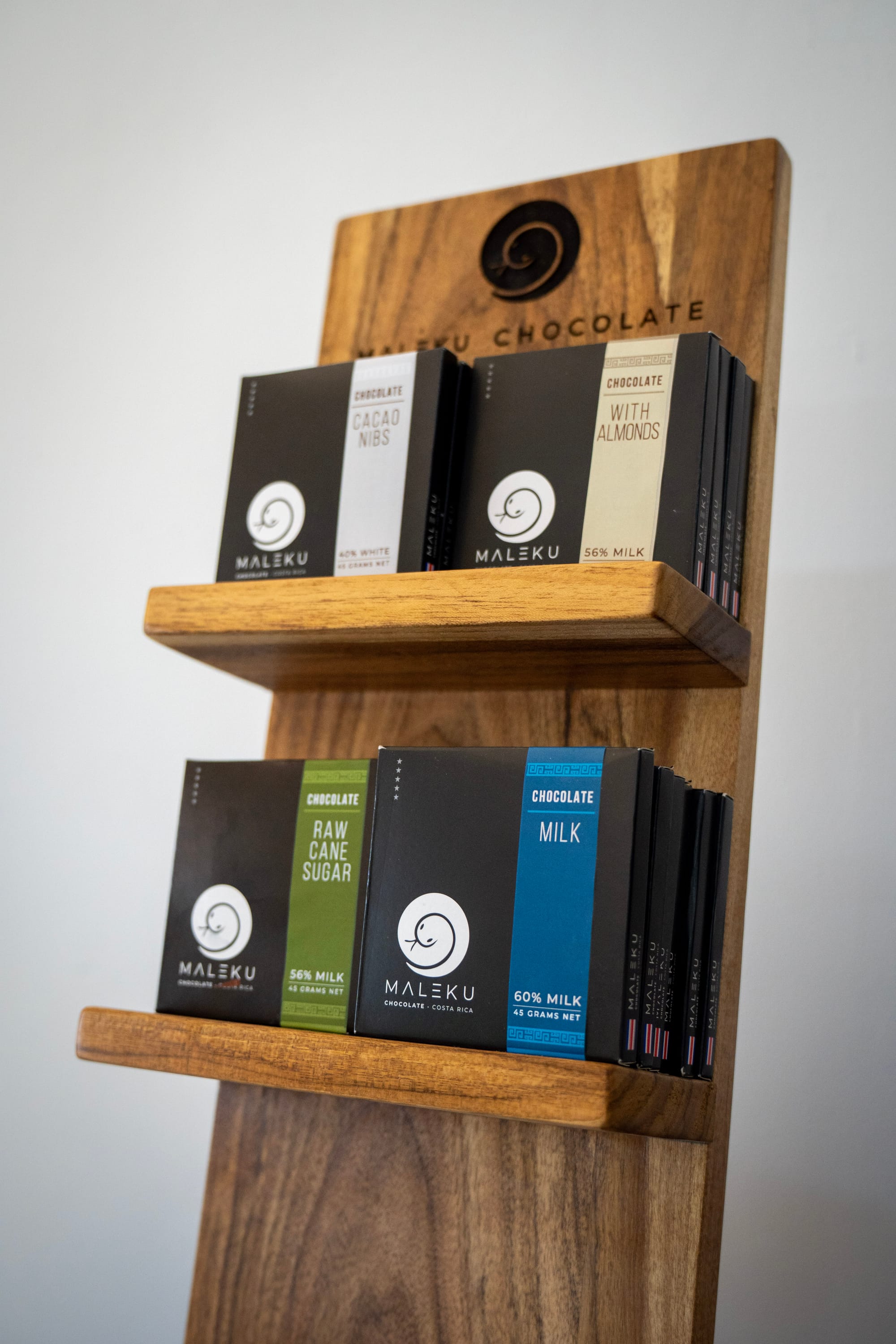
A bar of Maleku Chocolate encodes 2,300 years of cacao knowledge. When you taste it, you experience a living archive of indigenous farming wisdom that only survives through practice.
The knowledge that determines whether a cacao farm produces exceptional or mediocre beans cannot be fully archived in writing. It lives in practice: in the way an experienced farmer reads a cacao tree's leaves for signs of mineral deficiency, in the judgment a fermentation manager exercises when deciding that a batch needs twelve more hours and not six, in the sensory memory that tells a Chocolate Master a roast has reached its exact target profile three seconds before the clock would indicate it. This kind of knowledge is embodied. It transfers through apprenticeship and direct experience, not through instruction manuals. When the people who hold that knowledge stop practicing it, the knowledge degrades and eventually disappears.
WHAT GETS LOST WHEN CACAO FARMS DISAPPEAR
When a farm that has been in continuous production for two or three generations closes, what is lost is not just acreage. It is the accumulated knowledge of that specific land: which variety blocks perform best in which weather conditions, how the dry season affects the behavior of different genetic material, what the fermentation needs in a wet year versus a dry one. For farms with a connection to indigenous cacao culture, the knowledge loss is even deeper. The Maleku people of Costa Rica's northern lowlands have maintained a relationship with cacao in the Llano Azul valley for at least 2,300 years - a timeline confirmed by the pre-Columbian archaeological site named Caju, discovered on the Blue Valley Chocolate Farm in 2019, registered as monument A-549 Ca, and associated with human settlement from 300 BC to 300 AD.
THE FARM AS A LIVING ARCHIVE
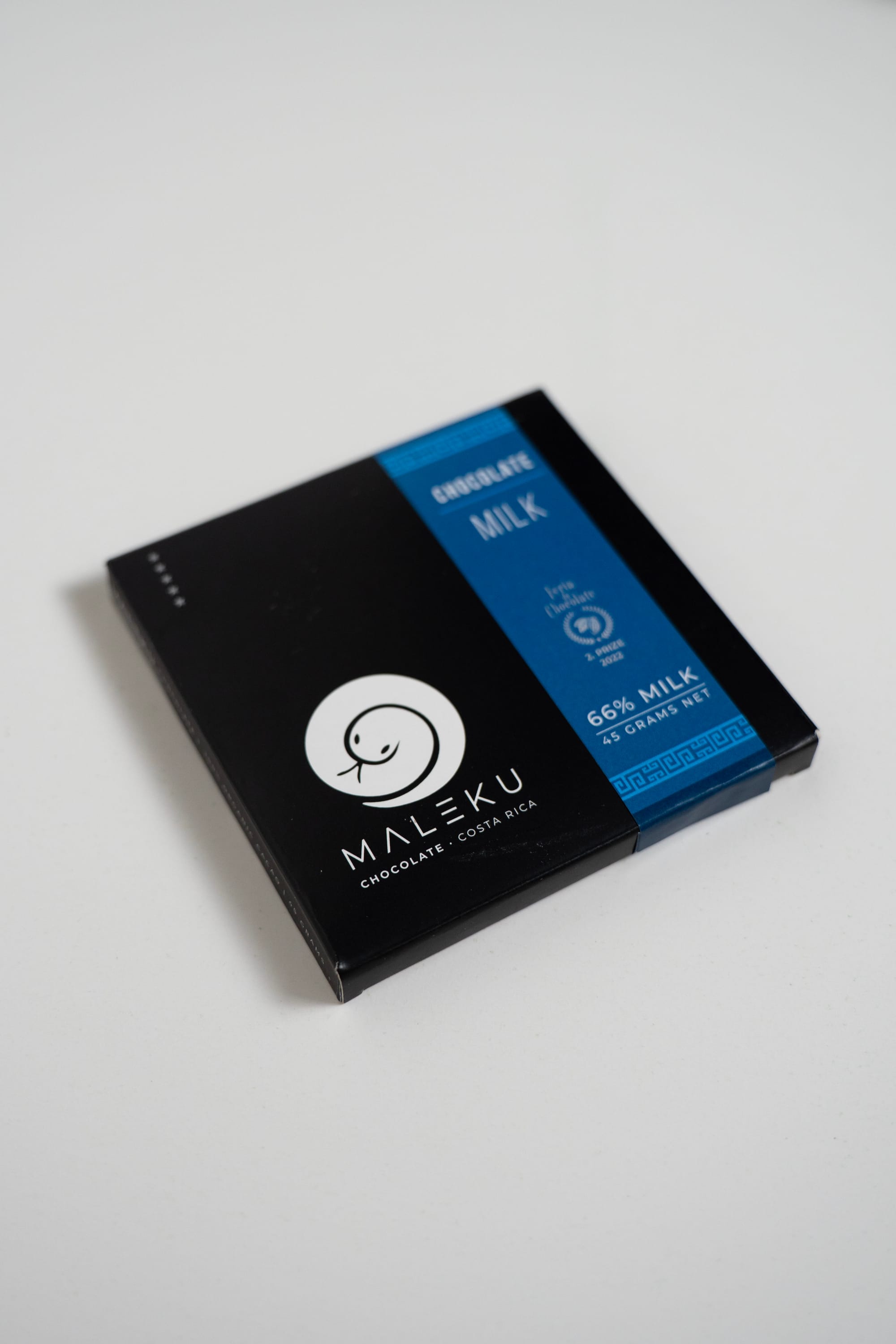
The Blue Valley Chocolate Farm in Llano Azul holds 7,184 cacao trees across approximately 33 acres. The El Higueron Chocolate Farm holds 42,069 cacao trees across approximately 208 acres. Together, they represent an active archive: the genetic material of 26 proprietary cacao hybrid varieties found nowhere else on earth; the agroforestry management knowledge accumulated through operating these specific farms under organic conditions; the fermentation knowledge specific to the Llano Azul and El Higueron cacao genetics; and the legal stewardship of the Caju archaeological site, which makes Maleku Chocolate the only chocolate maker in the world to protect a certified pre-Columbian archaeological monument on its working farmland. An archive requires continued engagement to remain alive. Learn more about these farms at Blue Valley Chocolate.
TASTE AS A FORM OF TRANSMISSION
When you taste a Maleku Chocolate bar made with the Maleku 2 variety, you are directly experiencing the outcome of years of on-farm selection. The variety's flavor is the record of those selections: which tree was chosen, propagated, and planted forward because it performed best in that soil. That record is not in a document. It is in the chemistry of the bean, which is in the melt and the finish of the bar in your hand. This is what makes fine single-estate chocolate a genuine cultural archive. The knowledge it encodes is experienced, not read. It arrives through the senses.
THE DISCOVERING CHOCOLATE EXPERIENCE AS KNOWLEDGE TRANSFER
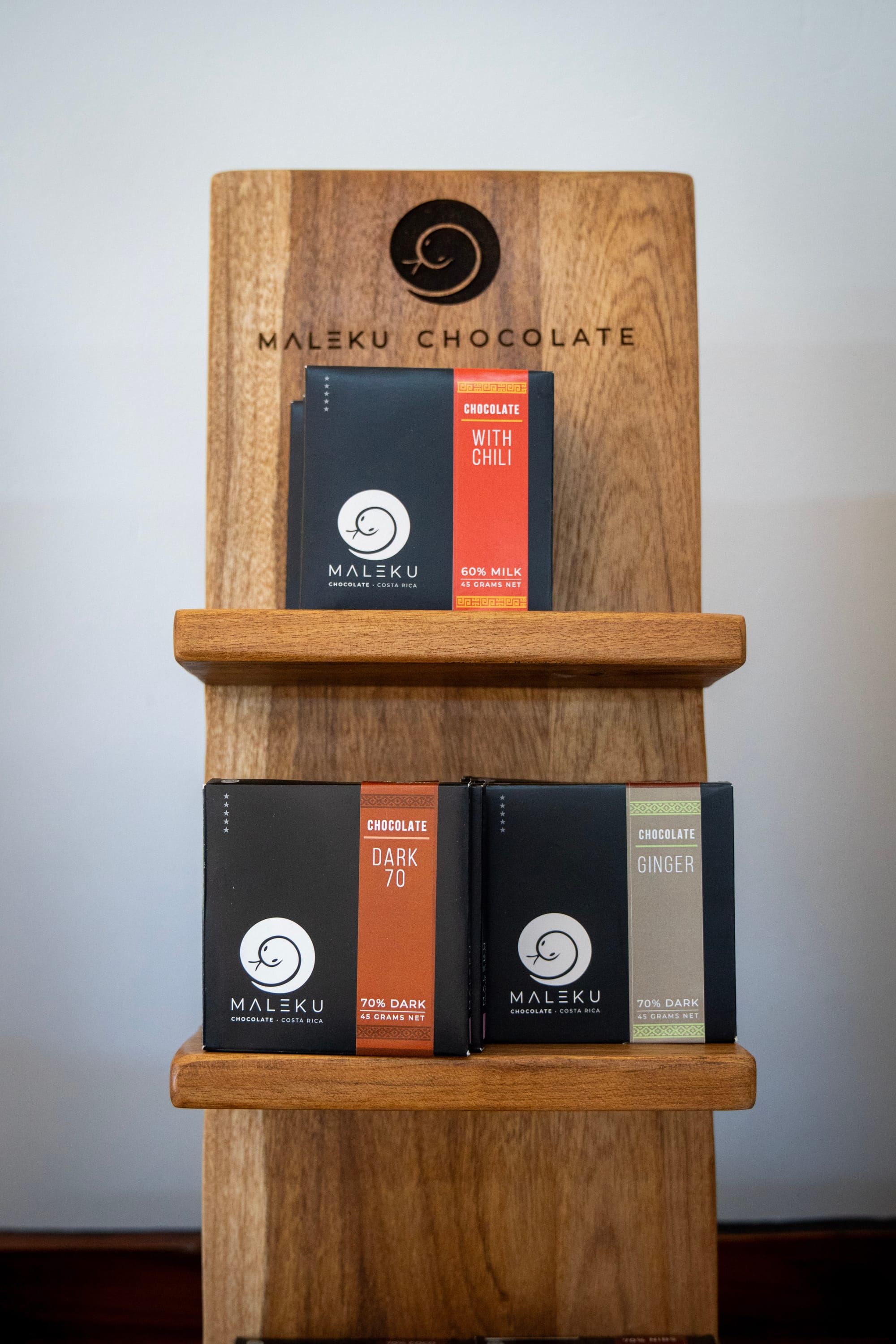
Maleku Chocolate's Discovering Chocolate tasting experience at the Brasilito factory is a form of explicit knowledge transmission: a guided journey through cacao in all its forms, from fresh whole bean to roasted nib to finished bar, led by team members who understand the significance of each stage. This is how cultural archives stay alive in the non-textual domain: through shared experience, through giving enough people enough direct contact with the thing itself that the knowledge has somewhere to live beyond the immediate circle of practitioners.
WHY KEEPING THE FARM RUNNING IS THE WORK
The most important act of cultural preservation at Maleku Chocolate is the least visible one: keeping both farms operational, maintaining organic certification, continuing the grafting and variety selection program, protecting the Caju site, practicing fermentation with the attention it requires, and making bars that hold nine international awards across the International Chocolate Awards and Costa Rica's Feria de Chocolate, including three Gold medals. Every bar sold supports that operational continuity. Every harvest managed with care adds another cycle to the living archive. The knowledge that makes Maleku Chocolate irreplaceable is not stored anywhere. It is practiced.
Explore the full bar collection and taste what that practice produces.