

- International Chocolate Awards,
- award-winning chocolate Costa Rica,
- what do chocolate judges look for,
- craft chocolate awards
What Chocolate Judges Actually Taste For | Maleku
Maleku Chocolate has earned 11 awards including 3 Golds at the International Chocolate Awards. Here is what judges actually evaluate - and what our customers say after.
What International Chocolate Award Judges Actually Taste For: A Tasting Guide for the Bar in Your Hand
There is a room somewhere - usually London or New York, sometimes both - where a panel of professional tasters sits in front of anonymized chocolate samples and does something most people have never had to do: evaluate chocolate completely blind, without knowing the maker, the origin, the price, or the story behind it. No branding. No context. Just the bar.
Maleku Chocolate has been in that room. Eleven times, our bars have come out the other side with a medal. Three of those medals were gold.
This article is not about what those awards mean to us. That story exists elsewhere. This one is for you - the person holding a bar, wondering what you are actually tasting, and why a panel of trained judges agreed it was worth a gold medal. We are going to walk you through exactly what the judges evaluated, what they found in each bar, and then let the people who tasted the same bars without any context say it in their own words.
Because the judges are trained. The customers are just honest. And they tend to land in the same place.
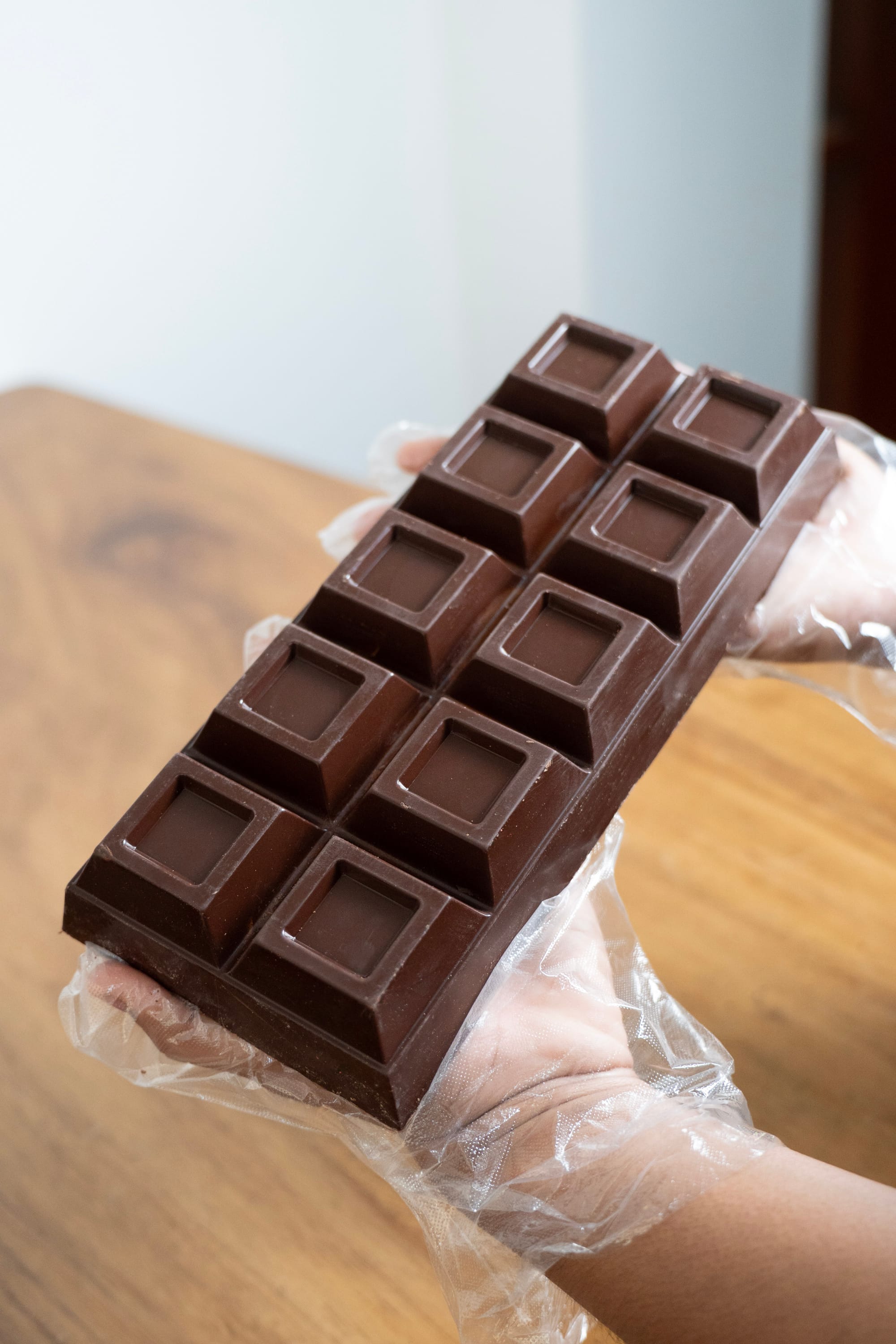
What the International Chocolate Awards Actually Is
The International Chocolate Awards is the most rigorous independent evaluation in the craft chocolate world. It is not a trade show popularity contest or a "best in region" certificate mailed to anyone who enters. It is a blind, structured, multi-round competition judged by a panel that includes food writers, certified chocolate tasters, cacao specialists, and members of the International Institute of Chocolate and Cacao Tasting (IICCT) - the same body that developed the professional evaluation framework used globally.
Entries are anonymized before they reach the judges. Makers are identified by number only. The scores use the same framework as specialty coffee: 80 and above signals fine chocolate quality. Scores above 90 indicate extraordinary quality and craft. Medals are awarded by category within that scoring band, and the thresholds are set by the Grand Jury for each competition cycle. You cannot buy a result. You cannot lobby a judge. The bar either earns its score or it does not.
The Feria Nacional de Chocolate de Costa Rica (CRFNC) follows similar principles within the Costa Rican craft chocolate community, where the density of serious makers is unusually high for such a small country. Winning there means beating makers who know the same terroir, the same climate, and in some cases the same cacao genetics you work with.
What Judges Are Actually Evaluating
The judging framework covers five dimensions, evaluated in sequence:
Appearance and snap. Before anything reaches the mouth, judges assess the visual surface of the bar - the sheen, the evenness of temper, the absence of bloom or graininess - and the acoustic snap when broken. Both signal quality of process. A poorly tempered bar tells the judge something about temperature control before they taste anything.
Aroma. The bar is broken and held briefly under the nose. Judges look for complexity and cleanliness - layered aromatic notes without off-flavors, no evidence of poor fermentation (excessive acidity or hammy notes), and the presence of fine-flavor characteristics: florals, fruit, nuts. A flat or purely bitter aroma signals commodity cacao regardless of what the label claims.
Melt and texture. The bar goes onto the tongue and the clock starts. Judges note the rate of melt, the absence of graininess or waxiness, the mouthfeel as the cocoa butter releases. A fine bar melts progressively, coating the palate evenly. It does not stick or dissolve abruptly.
Flavor complexity and development. This is where origin expresses itself. Judges track what happens across the full duration of the melt: the initial note (often the most acidic or bright), the mid-palate development (where fruit, molasses, caramel, or floral notes emerge), and whether the bar reveals new dimensions as it evolves or stays flat after the first few seconds.
Finish and aftertaste. A fine bar does not end when the chocolate is gone. Judges note how long the finish lasts, whether it dries cleanly or leaves residual bitterness, and whether the final note is pleasant. Tannin structure, acidity resolution, and the presence of lingering aromatic compounds all affect this dimension. The score here often separates a silver from a gold.
What the Judges Found in Our Bars
Three Golds. Here is what the judges found - described in the sensory language of the bars themselves, not the marketing around them.
This bar opens on roasted cacao, moves through dried fig and coffee on the mid-palate, then lands on caramelized banana and dark fruit as the melt progresses. The finish is long and velvet. None of that is added. Those are the flavor compounds present in the bean from Llano Azul, released through fermentation and controlled roasting. The judges scored it without knowing any of that. They just tasted it.
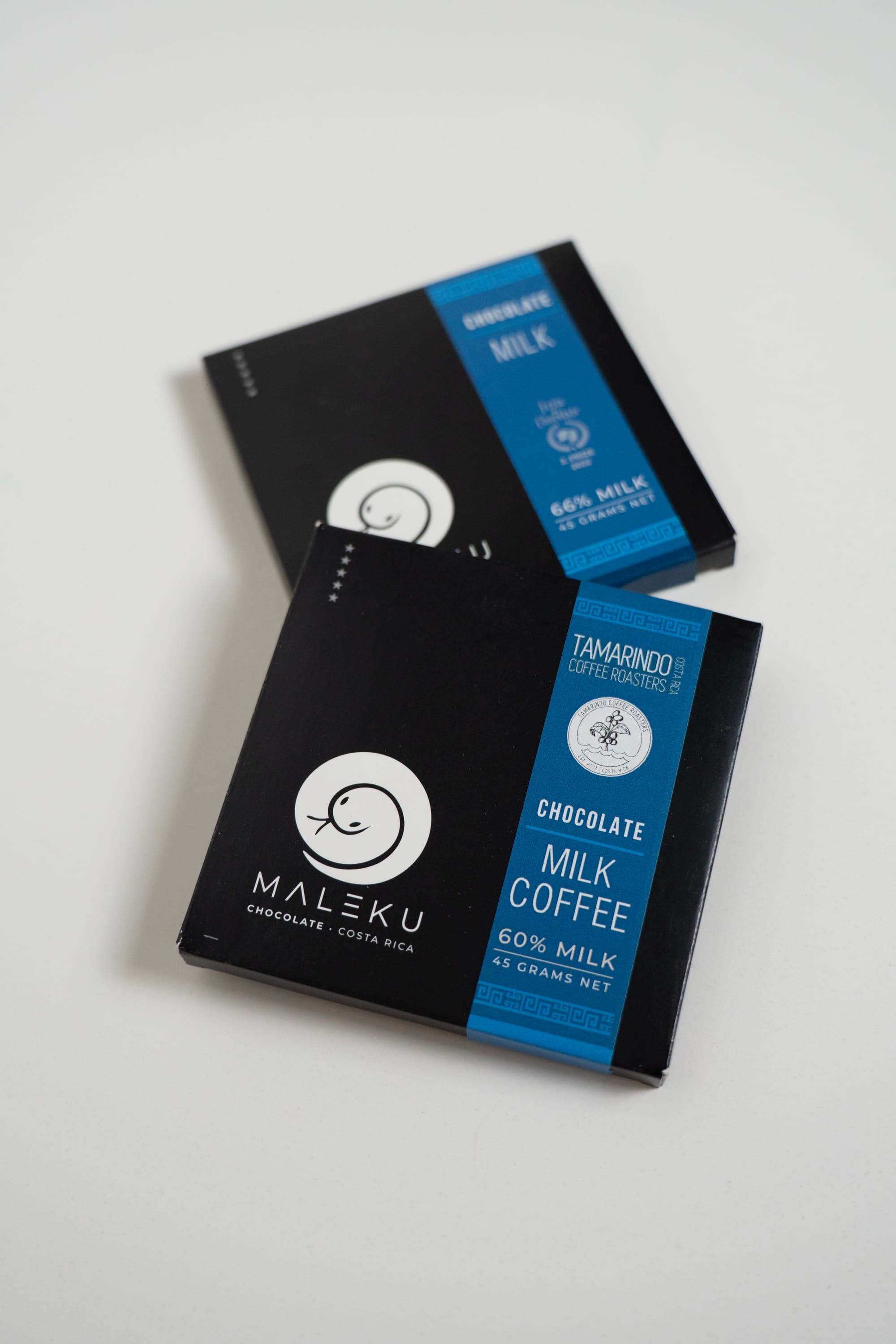
The base milk carries butter, malt, honey, and red berry. A velvet, creamy profile that holds the coarsely ground espresso from Tamarindo Coffee Roasters without being overtaken by it. Deep roast aroma, chocolate-forward finish, deeply satisfying complexity. Two ingredients, both from within 30 kilometers of the factory. The Feria judges - who taste more Costa Rican craft chocolate than anyone - gave it Gold.
A Gold in a flavored milk category means the chili did not mask the chocolate. It elevated it. The warmth of the panela sugar, the nutmeg, the chili heat that builds and lingers - all of it balanced against the 56% dark milk base without any single element winning. That is a harder technical and sensory achievement than most people realize.
Beyond the three Golds, each awarded bar tells you something different about what Llano Azul cacao is capable of.
The only bar in the lineup to medal in back-to-back years with two different judging panels. Silky profile. Vanilla, cream, red berry, and the creaminess score among the highest in the lineup. The roasted cacao nibs add crunch and bitterness contrast that stops it reading as simply sweet. A double silver means the result held up twice.
At 85%, there is almost no sugar to hide behind. The bar opens on red berries and espresso, moves through hazelnut, red cherry, and roasted cocoa, and ends on almonds, dark wood, and tobacco. A rustic profile, bitterness and astringency that resolve slowly into a long finish. This is the bar for the person who wants to taste the cacao as directly as possible. The Bronze is an independent confirmation that at 85%, the bean is good enough to stand alone.
Citrus, floral, honey, orange, red cherry, roasted cocoa. A zesty acidity and a finish that cuts cleanly. The orange is candied peel, not flavoring. It is built on the same cacao base that earned the Gold in the 70% Dark, with the orange doing what a well-chosen inclusion should do: reveal a dimension of the chocolate that was already there.
Also in the award record: Silver for the 56% Milk Chocolate Lava (ICA 2018), Silver for the 66% Dark Milk Chocolate (Feria 2022), Silver for the plain 60% Milk Chocolate (ICA 2018), and Silver medals for two additional seasonal bars. Eleven awards in total.
What the Process Behind the Scores Actually Means
Judges cannot taste a farm. But they can taste what a farm produces when every step between the tree and the bar is handled correctly.
Maleku Chocolate is grown on a single estate at the base of Tenorio Volcano in the Blue Valley region of Upala, Costa Rica. The genetics are Criollo and our own proprietary Maleku 1 and Maleku 2 varieties - heirloom lines selected for their aromatic complexity and low bitterness, not for yield. The fermentation happens on the farm in wooden boxes. The drying is done by sun. The roasting is done in the factory in Playa Brasilito using controlled low-temperature methods informed by traditional fire-roasting techniques.
None of those steps are standard. All of them affect what ends up on a judge's scoring sheet. The fruit note in the 70% Dark is not an accident. It is the compounded result of genetic selection, fermentation duration, roasting temperature, and the decision to use zero additives or flavor enhancers.
Costa Rica is one of only a small group of countries classified by the International Cocoa Organization (ICCO) as a 100% fine or flavor cacao exporter. That classification reflects the genetic quality of the country's cacao, which skews toward fine-aroma Criollo and Trinitario varieties rather than bulk commodity Forastero. Maleku Chocolate starts with that genetic advantage and then controls every subsequent step. What judges taste is the accumulation of those decisions.
What Our Customers Say (The Part No Trophy Can Replace)
Professional judges evaluate chocolate against a defined rubric. Customers just tell the truth. Here is what people say after they taste Maleku Chocolate for the first time - pulled directly from our Google and TripAdvisor reviews, unedited.
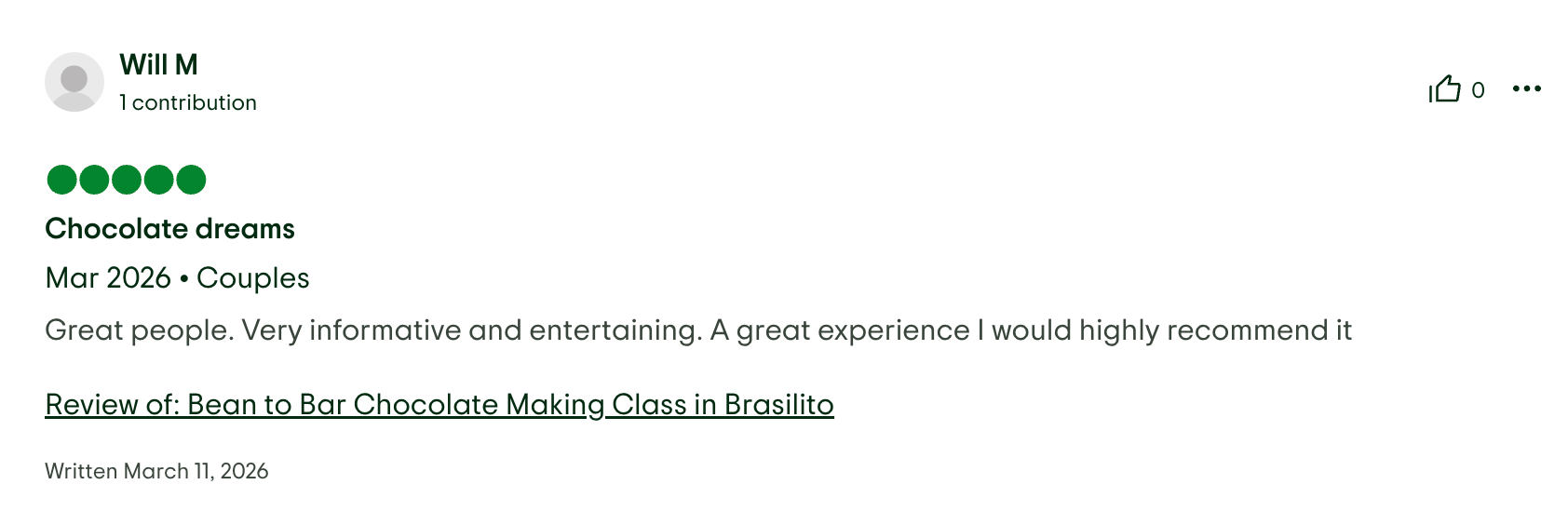
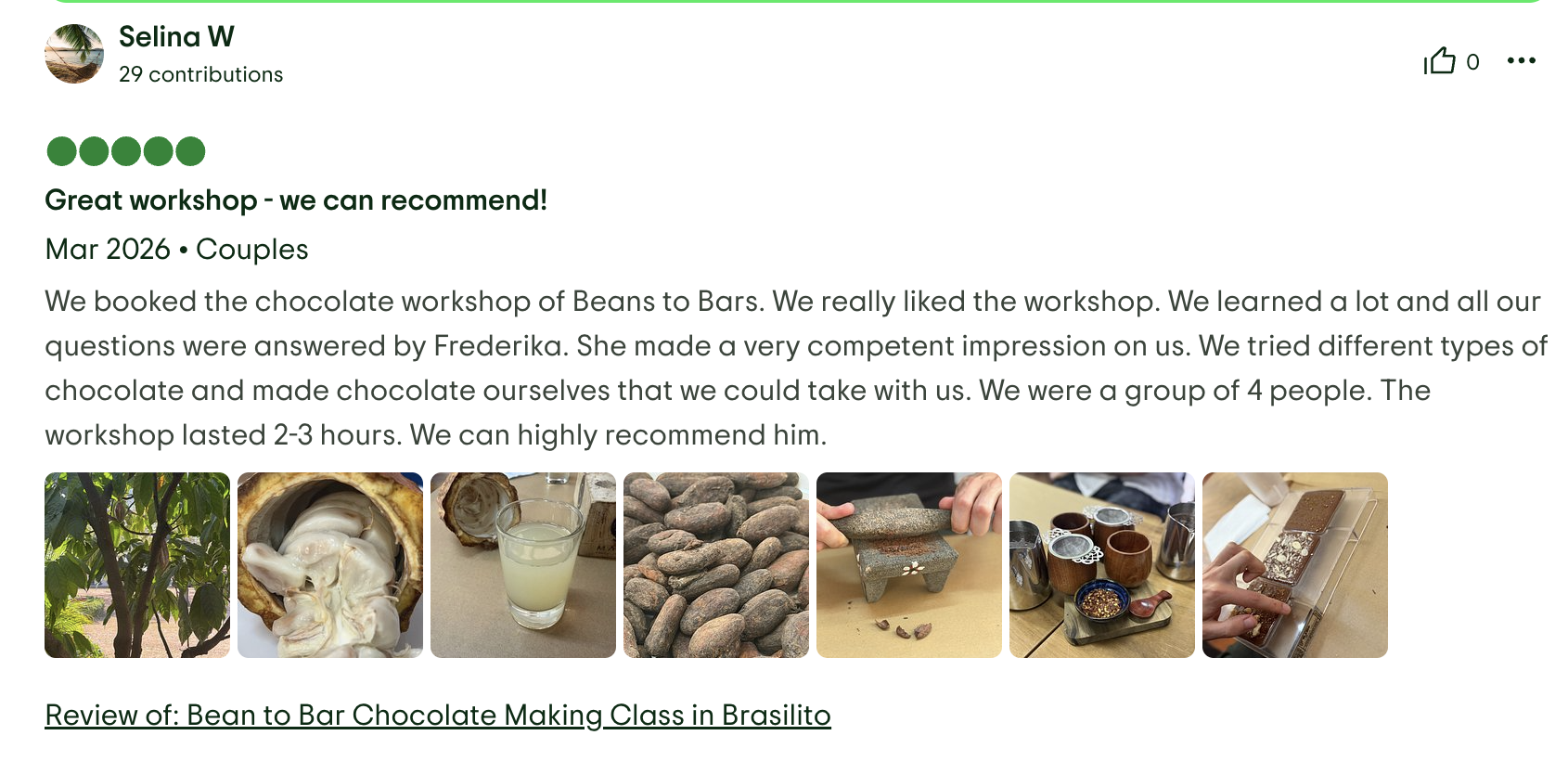
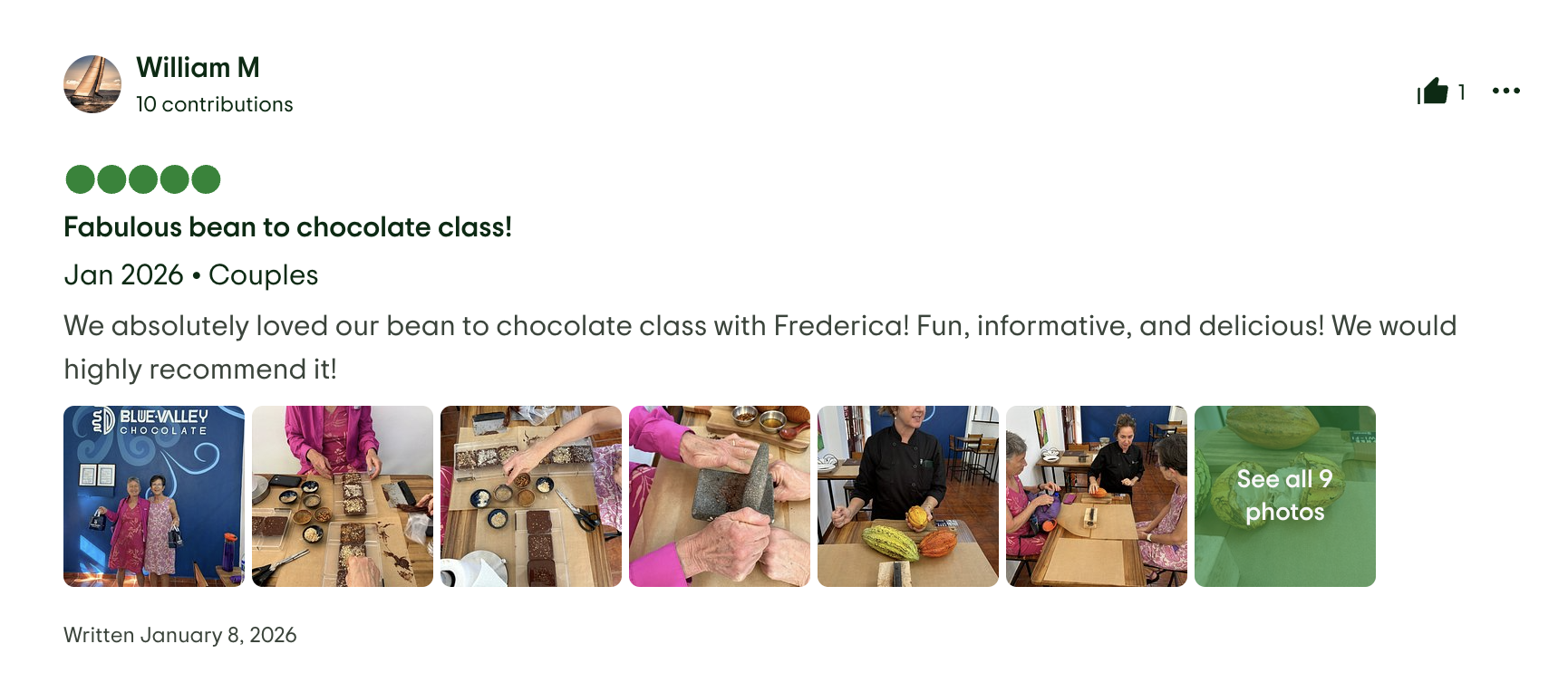
What you will notice reading these: almost nobody leads with the awards. They lead with what happened in their mouth. The awards just confirm that trained judges experienced the same thing.
Where to Taste Them
Every bar in the award collection is available online and at our factory store in Playa Brasilito, Guanacaste - 45 minutes from Liberia International Airport.
If you want to understand what the judges tasted and why, the bean-to-bar chocolate making class at our factory walks you through the entire process from fermentation to finished bar. You will taste the difference that each step makes. The judges did it blind. You can do it with the full story.
SOURCES
[1] International Chocolate Awards - chocolateawards.com
Official competition website. All award results, judging methodology, and IICCT scoring framework.
[2] International Institute of Chocolate and Cacao Tasting (IICCT) - chocolatetastinginstitute.org
The professional body that developed the sensory evaluation framework used by the ICA. Authoritative source on chocolate judging criteria.
[3] International Cocoa Organization (ICCO) - Fine or Flavor Cocoa - icco.org/fine-or-flavor-cocoa/
The intergovernmental authority on cocoa. Authoritative source on fine and flavor cacao classification by country, including Costa Rica's 100% fine flavor designation.