
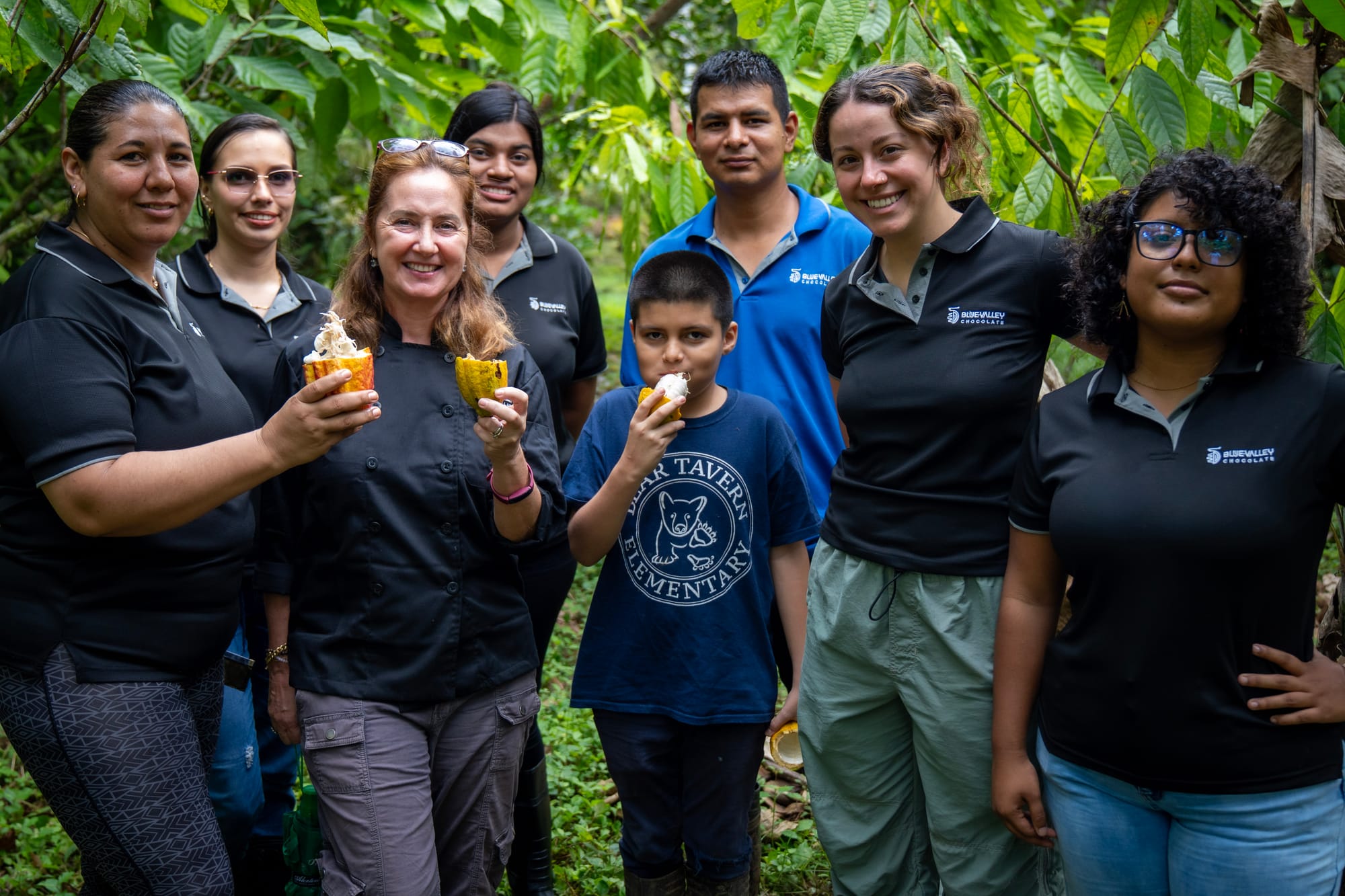
The Role of Women in Cacao Heritage: Honoring the Often-Unseen Stewards of Flavor and Tradition
If you trace the history of cacao from its pre-Columbian origins through the colonial period and into the contemporary fine chocolate industry, a pattern emerges that deserves more attention than it typically receives: the most consequential knowledge about cacao quality - when to harvest, how to ferment, which trees to preserve, how to read a bean - has been carried and transmitted primarily by women. In many cacao-growing communities across Central America and the Caribbean, women have managed the post-harvest process for generations. In the fine chocolate world today, women are disproportionately represented in the roles that require the deepest sensory expertise: fermentation management, quality evaluation, and chocolate-making itself.

WHAT PRE-COLUMBIAN SOURCES TELL US
Cacao preparation appears in artistic and written records as an activity closely associated with women, particularly in domestic and ceremonial contexts. The Dresden Codex, one of the few surviving Maya manuscripts, contains images of cacao that some scholars associate with female deities and fertility symbolism. Ethnohistoric accounts from the colonial period document indigenous women in Central America as the primary preparers of cacao drinks and the holders of technique knowledge that determined quality. The transmission of this knowledge happened through female lineages in many communities across the region.
FERMENTATION: WHERE WOMEN'S EXPERTISE HAS ALWAYS CENTERED
Fermentation is the most critical and most knowledge-intensive stage of fine chocolate production. This kind of sensory expertise cannot be fully codified in a manual. It lives in the practitioner. In cacao-growing communities throughout the Caribbean and Central America, the fermentation process has historically been managed by women who learned it through apprenticeship, often beginning in childhood. The Blue Valley Chocolate Farm in Llano Azul and the El Higueron Chocolate Farm manage fermentation as a hands-on, attentive process.
THE CHOCOLATE MASTER'S ROLE
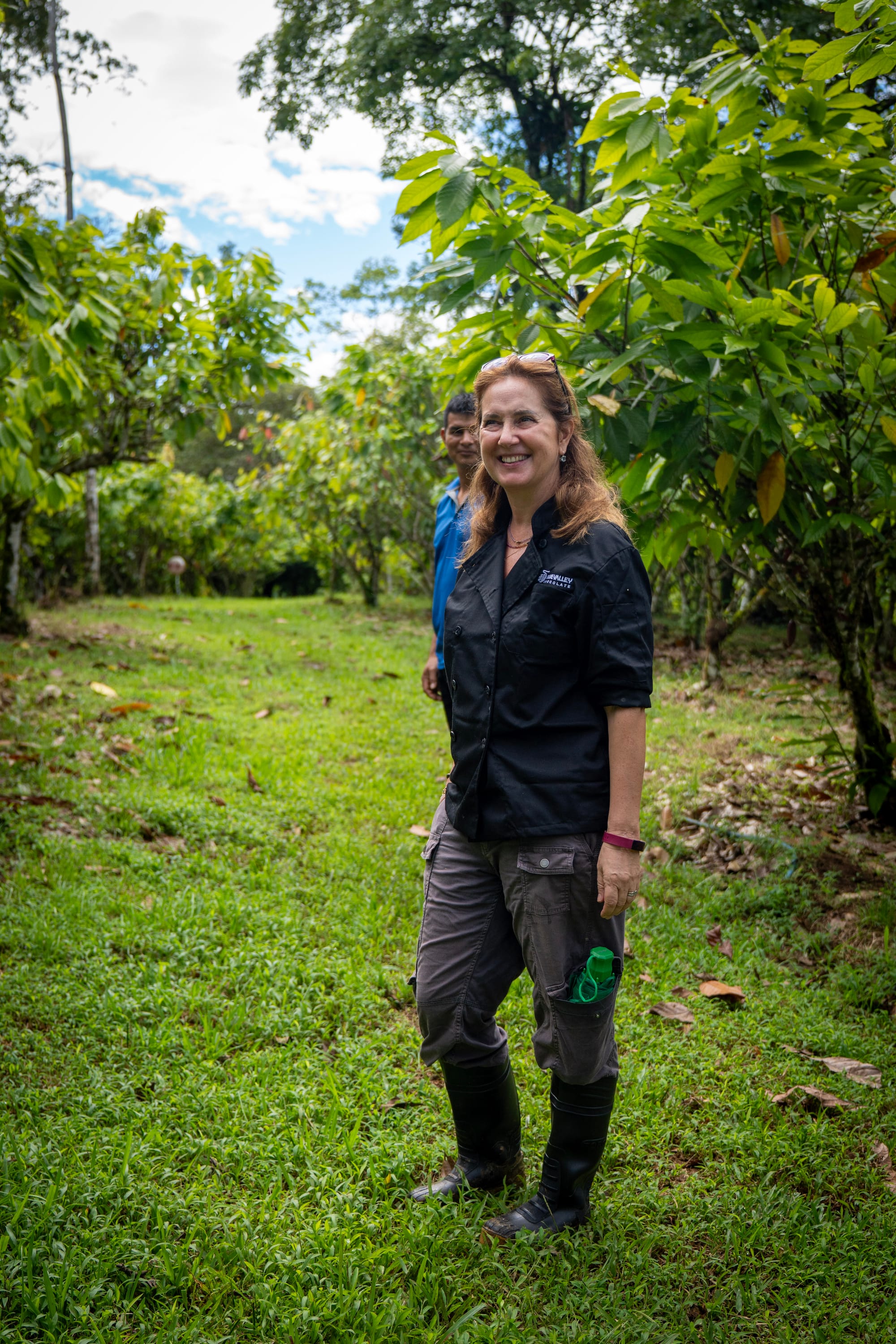
At Maleku Chocolate's production facility in Brasilito, Guanacaste, the title Chocolate Master belongs to our chocolate experts(who are actually all women). The production lead whose expertise governs the transformation of the farm's fermented and dried beans into finished chocolate bars. The Chocolate Master's role encompasses roast profile decisions, refining and conching time management, tempering, and the final quality evaluation of each batch. Tempering requires the ability to read the behavior of the chocolate at the bench and make micro-adjustments based on what you see, feel, and taste. Federica's role is the culmination of the entire production chain.
THE WOMEN OF BLUE VALLEY CHOCOLATE
The editorial content of Blue Valley Chocolate and Maleku Chocolate has specifically highlighted "The Women of Blue Valley" as a team narrative - an acknowledgment that the expertise concentrated in the female members of the team is central to what the brand produces. Nine international awards across the International Chocolate Awards and Costa Rica's Feria de Chocolate, including three Gold medals, reflect the output of that expertise applied consistently over time. Taste that expertise in the full Maleku Chocolate bar collection, or experience it directly through the Discovering Chocolate tasting experience at the Brasilito factory.