
- cacao belt,
- artisanal chocolate,
- cacao finca costa rica,
- cacao from costa rica,
- where does cacao grow,
- cacao growing regions,
- organic cacao,
- organic certification,
- organic chocolate,
- organic Costa Rican chocolate,
- organic farm
The Cacao Belt: Why Chocolate Only Grows in One Narrow Band Around the Earth
Every bar of chocolate you have ever tasted was born inside a strip of land no wider than 40 degrees of latitude. North or south of that invisible boundary, the tree that produces cacao - Theobroma cacao - simply refuses to grow. Understanding why reveals something essential about what makes fine chocolate rare, what makes certain origins extraordinary, and why the farm where Maleku Chocolate grows its cacao is one of the most unusual growing sites on Earth.
What Is the Cacao Belt?
The Cacao Belt is the geographic zone that spans approximately 20 degrees north and 20 degrees south of the equator - a band of tropical land encircling the planet where conditions are consistently warm, humid, and rainfall-abundant. Outside this zone, cacao cultivation is not merely difficult; it is effectively impossible for commercial production.
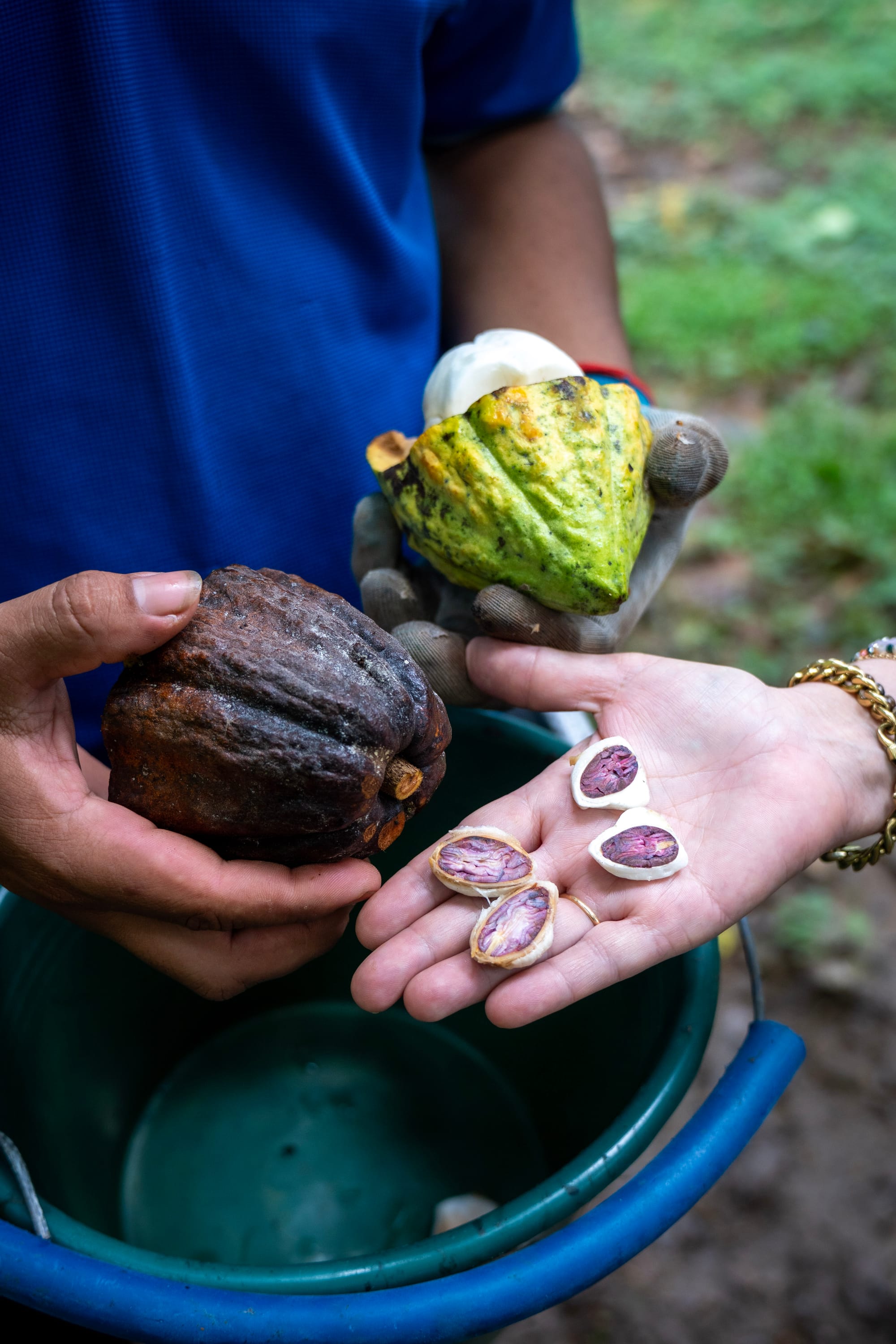
The scientific name of the cacao tree, Theobroma cacao, translates from Greek as "food of the gods" - a name given by the 18th-century botanist Carl Linnaeus who recognized what ancient Mesoamerican civilizations already knew for thousands of years. Archaeological evidence from the Mokaya site of Paso de la Amada shows vessels containing theobromine - the alkaloid unique to cacao - that date back at least 3,500 years, making cacao one of the longest-cultivated crops in human history. The Olmecs, cultivating around 1500 BC in what is now Mexico, called the tree "kakawa" - the root of the word "cacao" we still use today.
But the tree's origins are even older and more deeply South American. Modern genetic research has placed the center of origin of Theobroma cacao firmly in the upper Amazon basin, at the borders of what are now Colombia, Peru, and Brazil - the region of greatest genetic diversity within the species. From there, cacao spread through waterways across the pre-Andean wetlands, diversifying as the Andes Mountain range formed natural barriers between isolated populations - a process that gave rise to the distinct cacao varieties (Criollo, Forastero, Trinitario) we recognize today.
The Four Non-Negotiable Growing Conditions
What makes the Cacao Belt so restrictive is not any single factor but the combination of four conditions that must be present simultaneously, year-round, to sustain a healthy cacao tree through its entire productive cycle.
1. Temperature
Cacao requires sustained warmth without extremes in either direction. The optimal range is 18-32C (65-90F), with minimal seasonal fluctuation. A hard frost will kill the tree. Prolonged heat above 32C stresses it, reduces flowering, and can cause pod abortion. This tight thermal window is one of the primary reasons cacao cannot migrate into temperate zones - not even in a warming world.
2. Rainfall
The tree demands substantial and consistent rainfall: a minimum of roughly 1,500mm (60 inches) per year, ideally distributed across most of the year with no prolonged dry season. At the same time, waterlogged soils are equally damaging - cacao needs well-draining ground that holds moisture at root level without becoming anaerobic. This balance is part of what makes certain microclimates within the belt far superior to others.
3. Humidity and Canopy Cover
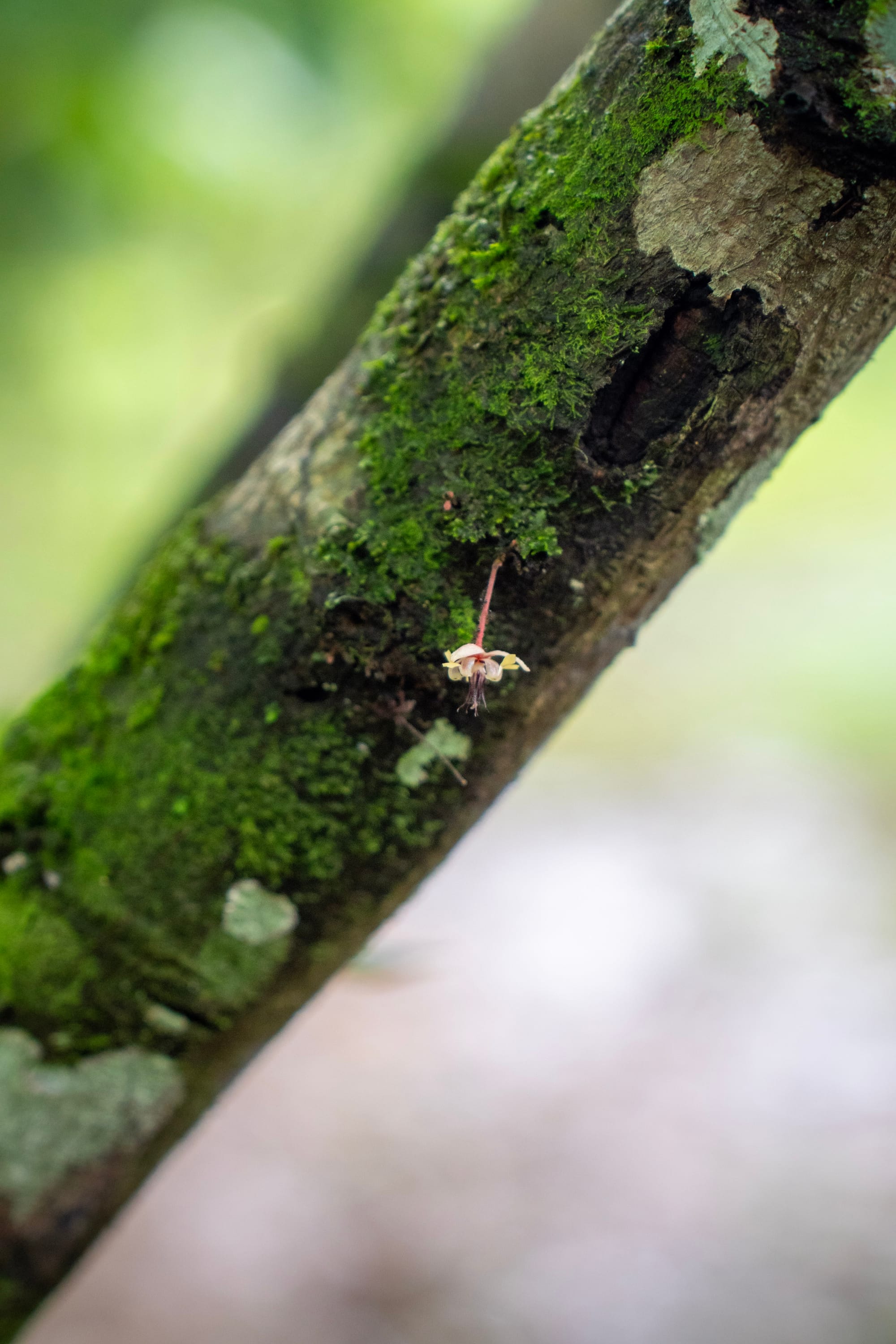
Cacao evolved as an understory tree in dense tropical rainforest. It did not evolve to stand in full sun. High ambient humidity - supported by a forest canopy overhead - is essential to its health. This is not simply an agronomic preference; it is a biological requirement rooted in the tree's origins. Cacao grown in full sun requires far more irrigation, is more susceptible to disease, produces lower-quality beans, and has a significantly shorter productive life than shade-grown cacao.
4. Rich, Well-Draining Soil
The soil must be nutrient-dense, biologically active, and capable of both retaining moisture and draining excess water quickly. Volcanic soils, alluvial plains alongside rivers, and forest-floor soils rich in organic matter tend to produce the best results - and often the most complex flavor profiles.
Who Grows Inside the Belt? A Global Map of Cacao
The Cacao Belt passes through parts of West Africa, Latin America, Southeast Asia, and a handful of smaller island nations. But volume and quality are distributed very unevenly across it.
West Africa: The Volume Engine
West Africa dominates global cacao supply, accounting for roughly 70% of the world's production. Cote d'Ivoire (Ivory Coast) leads as the single largest producing country, with approximately 1.85 million tonnes forecast for 2024/25. Ghana follows as the second-largest African producer. Nigeria and Cameroon also contribute significant volumes.
This concentration of volume in two countries creates supply chain vulnerabilities that matter to every chocolate buyer on the planet. It also comes at an environmental cost: Ghana has lost an estimated 65% of its forest cover over the past 30-60 years, while Cote d'Ivoire has lost approximately 90% - much of it within cocoa-growing regions. These figures, published in the 2025 Cocoa Barometer, illustrate the tension between producing cacao at commodity scale and preserving the forest ecosystems that cacao itself requires.
The flavor profile of West African cacao reflects the Forastero varieties that dominate the region: roasted nuts, woody undertones, dried fruits, and mild earthiness. It is the profile most people recognize from mass-market chocolate.
Latin America: The Fine Flavor Heartland
Latin America is where cacao originated, and it remains the heartland of fine-flavor production. Ecuador, Peru, Colombia, and the broader Caribbean and Central American corridor produce smaller volumes than West Africa but supply a disproportionate share of the world's finest cacao.
Ecuador alone produces the celebrated Nacional variety - one of the rarest fine-flavor cacaos on Earth - which carries distinctive floral, fruity notes unlike anything grown in West Africa. Peru and Colombia have rapidly expanded specialty production in recent years, with Colombian cacao in particular earning recognition for its complex floral, fruity, and earthy profiles.
Costa Rica occupies a unique position within Latin American production. It is not a high-volume producer - the country has an estimated 1,500-2,000 cacao farms compared to more than 200,000 in Cote d'Ivoire alone. But Costa Rica has been officially classified by the International Cocoa Organization (ICCO) as a 100% fine and flavor cacao producer - one of the few countries in the world to hold that designation for its entire national output. Costa Rican cacao commands premium market positioning precisely because of its rarity and the quality-over-quantity philosophy that defines its production model.
Southeast Asia and Beyond
Indonesia is the leading Asian producer and ranks among the top five globally by volume, with production centered on the island of Sulawesi. Vietnam, Papua New Guinea, and the Philippines contribute smaller but notable volumes. Madagascar and other island origins have carved out devoted followings in specialty chocolate for their distinctive terroir-driven profiles.
Why Not All Belt Origins Are Equal: The Role of Terroir
Within the Cacao Belt, not all growing sites are the same. Elevation, soil composition, forest cover, rainfall patterns, and the specific variety of cacao planted interact to create what chocolate makers call terroir - the full environmental fingerprint of a growing site, expressed in flavor.
This concept, borrowed from the wine world, is now driving one of the most significant shifts in the chocolate industry. Consumers increasingly seek chocolates that showcase regional characteristics, much as wine enthusiasts seek specific vineyards rather than generic regional blends. Single-origin chocolate - traceable to one farm, one region, one harvest - is growing as a category precisely because terroir is real and detectable in the cup.
Some of the clearest evidence of terroir in cacao comes from comparing origins within Costa Rica itself. The Limon Caribbean region, which accounts for the majority of Costa Rican production, produces cacao with fruity notes and bright acidity influenced by high rainfall and lowland conditions. The Huetar Norte region - home to the Upala valley where Maleku Chocolate's farm sits - produces cacao under entirely different conditions: volcanic soils from the Tenorio volcano, higher elevation, Pacific-influenced microclimates, and one of the lowest farm densities in the country. Research classifying Costa Rican cacao origins ranks Alajuela province (where Upala falls) as a rare origin - one of the most underrepresented and distinctive growing zones in the entire country, with fewer than 32 farms per canton.
That rarity is not a marketing claim. It is a geographic fact.
The Climate Change Threat to the Cacao Belt
The Cacao Belt has been stable for millennia. It is not stable now.
According to the Latin America Baseline Cocoa Barometer 2022, cocoa trees are highly sensitive to climate fluctuations, and the impacts they face are already measurable: more frequent and severe droughts, erratic rainfall, rising temperatures, increased humidity in some zones paired with dangerous dryness in others - each directly affecting tree health, flowering, and fruit production.
The outlook for West Africa is stark. Without significant adaptation measures, large parts of the region's current cocoa-growing areas are projected to become unsuitable for existing cacao varieties by 2050. In Ecuador, rainfall in some coastal regions has already increased fivefold in certain years due to intensifying La Nina and El Nino events, potentially threatening 60% of current growing areas.
The narrow geographic range that makes the Cacao Belt special also makes it extraordinarily vulnerable. There is no latitude to migrate into - no cooler zone waiting 50km north where cacao can establish new farms as the tropics warm. The belt is the belt.
Agroforestry as the Answer
The scientific and industry consensus on adaptation is clear: agroforestry systems are among the most effective tools available for building climate resilience in cacao cultivation.
Agroforestry is not a new technique. It is, in fact, how cacao grew for millions of years before humans ever cultivated it. Theobroma cacao originated as a forest understory crop, growing in association with dozens of other tree species. Integrating shade trees - fruit trees like papaya and citrus, timber species like laurel and cedar, and nitrogen-fixing species like Inga (the guaba or ice cream bean tree common across Central America) - recreates the conditions in which cacao evolved and thrives.
The benefits are well-documented in peer-reviewed research, including the Manual for Organic Cacao Producers (CABI academic press) and the Cocoa Barometer series: improved soil health, natural pest control through biodiversity, reduced water and energy consumption, and critically - the creation of a microclimate buffer that protects cacao trees from temperature extremes and moisture stress. Agroforestry systems also store CO2 in both cacao and shade tree biomass, making them a genuine climate mitigation tool, not just an adaptation one.
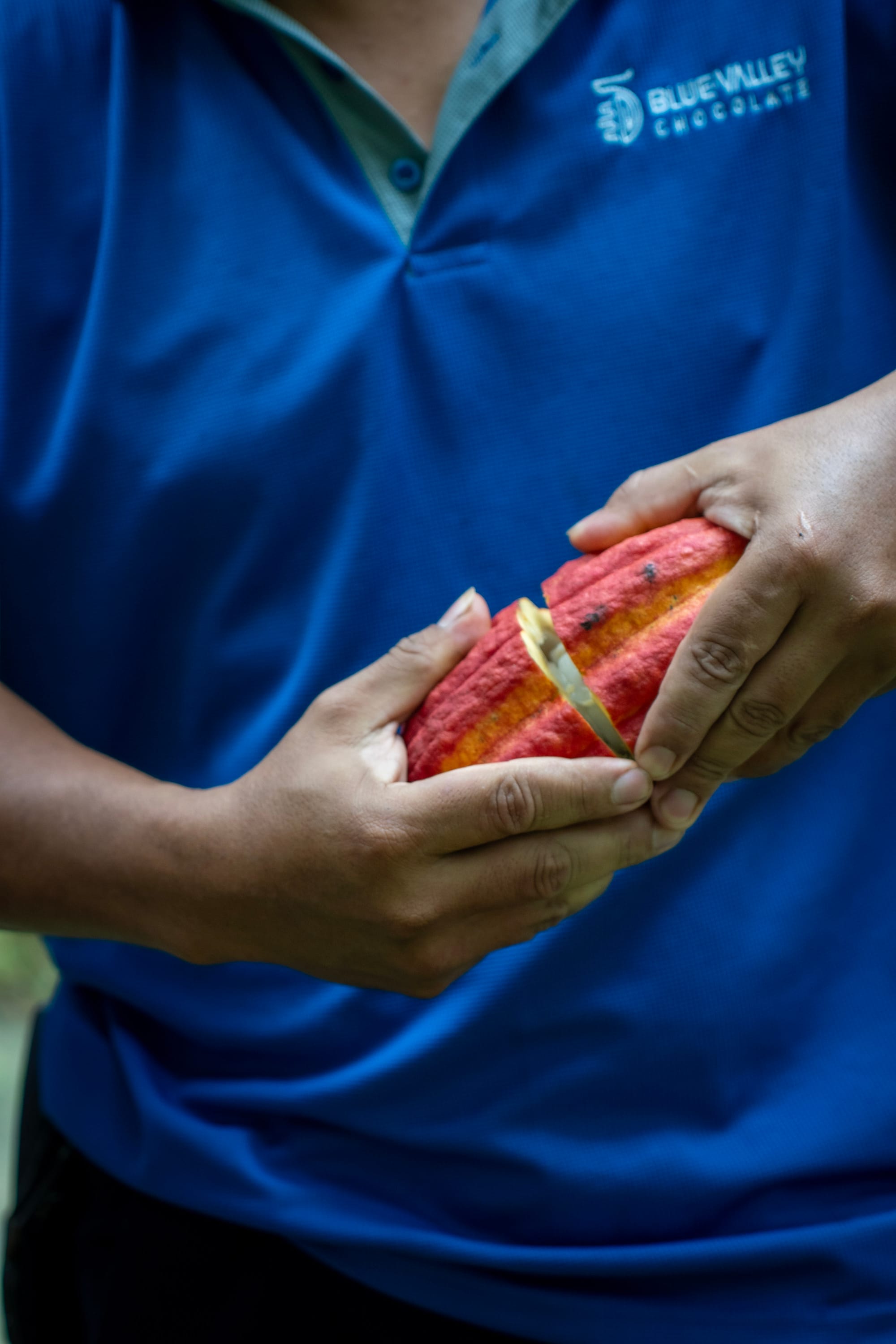
At Maleku Chocolatef, both farms - Blue Valley Chocolate Farm in Llano Azul de Upala and El Higueron - operate as agroforestry systems under the canopy of the Tenorio volcano rainforest. The shade trees that protect the cacao are not a sustainability marketing claim layered onto conventional farming. They are the farming system itself - the same system that has nurtured Theobroma cacao since before human civilization discovered it.
What This Means for the Chocolate in Your Hand
Every aspect of the Cacao Belt - its strict climate requirements, its geographic limits, its vulnerability to climate change, and the diversity of flavor that emerges from different origins within it - converges in every bar of fine chocolate you taste.
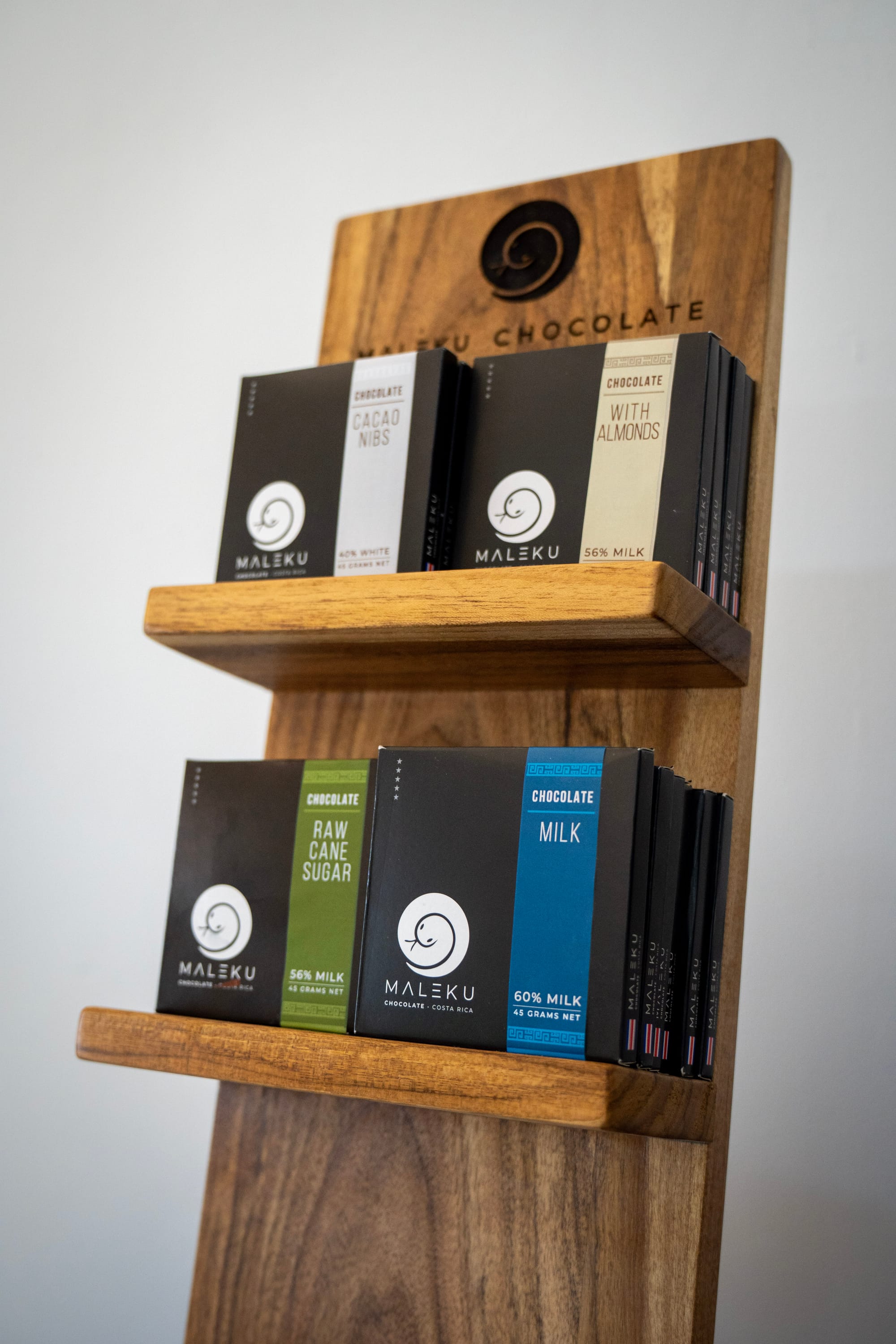
When you taste Maleku Chocolate (https://www.malekuchocolate.com), you are tasting cacao grown in one of the rarest growing sites within the Cacao Belt: volcanic soils at the base of Tenorio volcano, in a province that produces a fraction of Costa Rica's already small national output, under a rainforest canopy using organic agroforestry that mirrors the tree's own evolutionary habitat. Costa Rica's fine-flavor designation applies nationally, but the Upala valley's volcanic terroir and rare-origin status give Maleku's cacao a specificity and provenance that most chocolate cannot offer.
The belt is narrow. The best sites within it are narrower still.
Frequently Asked Questions
Why can't cacao grow in Europe or North America?
The Cacao Belt's requirements - year-round warmth above 18C, minimum 1,500mm of rainfall, high humidity, and canopy cover - are simply not present in temperate climates. Attempts to grow cacao in greenhouses exist, but commercial production outside the tropical belt is not viable.
Which country produces the most cacao?
Cote d'Ivoire (Ivory Coast) is the world's largest cacao producer by volume, producing approximately 1.85 million tonnes in the 2024/25 season. Together with Ghana, West Africa supplies roughly 70% of the world's cacao.
What makes Costa Rican cacao special?
Costa Rica produces very small volumes relative to major producers, but the entire country's output is classified as fine and flavor cacao by the ICCO - a distinction held by very few nations. The country's diverse terroir zones, from the Caribbean lowlands to the volcanic Huetar Norte region, produce cacao with complex and distinctive flavor profiles not found in bulk-producing West African varieties.
Is cacao farming sustainable?
It depends entirely on the farming method. Conventional monoculture cacao farming has driven significant deforestation in West Africa. Agroforestry-based organic farming - the approach used at Maleku Chocolate's farms - actively supports biodiversity, reforestation, and climate resilience. The farming model matters as much as the crop itself.
What is fine flavor cacao?
Fine flavor cacao refers to varieties - primarily Criollo and Trinitario - that produce complex, nuanced flavor profiles beyond the basic chocolate taste of commodity Forastero. The ICCO maintains a classification of producing countries, and Costa Rica is recognized as producing 100% fine flavor cacao.
Maleku Chocolate is grown at the base of the Tenorio volcano in Upala, Costa Rica - one of the rarest cacao-growing origins in the country. Both farms are certified organic and operate as agroforestry systems. Explore our single-estate bars at malekuchocolate.com.
External citations used in article:
1. 2025 Cocoa Barometer - VOICE Network - voicenetwork.eu/cocoa-barometer - deforestation data, West Africa climate projections
2. Latin America Baseline Cocoa Barometer 2022 - VOICE Network - climate change impacts, El Nino/La Nina data
3. Modern Technology in Cacao Production: Manual for Organic Producers - CABI academic press - agroforestry systems and benefits
4. Geological and Early Human Influences on Cacao Flavor - HCP peer-reviewed research - Amazon origin, Mokaya/Paso de la Amada archaeology
5. Distribution of Cacao Farms in Costa Rica by Region (2014 academic study) - rare origin classification, Alajuela province farm density data
6. Regional Distribution of Sampled Cacao Farms in Costa Rica (academic study) - Huetar Norte volcanic terroir, 15-20% national production share
7. FAO World Cacao Production Geographic Distribution Map - global production concentration figures