
Cacao Flavanols: The Clinical Evidence Behind Dark Chocolate and Heart Health
When nutritional scientists want to make the case that a dietary compound has genuine, measurable health effects, they reach for a specific type of evidence: the randomized, double-blind, placebo-controlled trial. It is the hardest evidence to produce, the most expensive to run, and the most resistant to the confounders that make observational studies unreliable.
For cacao flavanols, that evidence exists. It is large-scale, rigorously designed, and the results are significant enough that cardiovascular researchers have called for updated dietary guidance in response.
This is what the research actually shows - not what supplement companies claim, not what wellness blogs extrapolate, but what controlled clinical trials have documented about the flavanols found in cacao and what they do to the human cardiovascular system, the brain, and the skin.
THE FLAVANOL FAMILY: UNDERSTANDING WHAT YOU ARE ACTUALLY EATING
Flavanols are a subclass of flavonoids, which are a large family of plant polyphenols. In cacao, three flavanol types dominate:
Epicatechin is the most abundant and most studied. It is absorbed efficiently in the small intestine and reaches peak plasma concentration within 1 to 2 hours of consumption. Cacao is among the richest dietary sources of epicatechin on earth - a well-made 40g dark chocolate bar can deliver more epicatechin than a cup of green tea.
Catechin is epicatechin's structural sibling but behaves differently in the body. The (-)-catechin enantiomer found in chocolate is absorbed at roughly one-tenth the rate of the (+)-catechin form found in other foods like tea and apples. This bioavailability gap means catechin contributes less to the systemic effects of cacao flavanol intake than its concentration in the bean might suggest.
Procyanidins are oligomeric chains built from epicatechin and catechin units. The B2 dimer - two epicatechin units linked together - has attracted the most pharmaceutical interest. Procyanidin B2 has demonstrated inhibitory activity at the NF-kB pathway (a master regulator of inflammatory gene expression) and the NLRP3 inflammasome (a protein complex involved in triggering acute inflammatory responses). Both are active targets in anti-inflammatory drug development. That a compound present in dark chocolate interacts with these pathways has not been lost on researchers.

THE GUT MICROBIOME CONNECTION
A majority of procyanidins consumed in chocolate are not absorbed in the small intestine. They pass to the colon, where gut bacteria - particularly Bifidobacterium and Lactobacillus species - metabolize them into smaller compounds called phenyl-gamma-valerolactones.
This step matters for a reason that goes beyond digestion. Phenyl-gamma-valerolactones are small enough to cross the blood-brain barrier. Research by Angelino and colleagues and Cecarini and colleagues has documented that these bacterial metabolites reach neural tissue and produce antioxidant and anti-inflammatory effects there. The cognitive benefits associated with flavanol intake may therefore depend as much on the health of the gut microbiome as on the flavanol content of the chocolate itself.
This creates a practical implication: two people eating the same bar may experience meaningfully different biological effects depending on their gut microbiome composition. Regular prebiotic fiber intake and a diverse diet support the Bifidobacterium and Lactobacillus populations that drive this conversion. Cacao's own fiber content (approximately 2 to 3 g per 40g serving of dark chocolate) contributes modestly to this.
BLOOD PRESSURE: THE NUMBERS
The blood pressure evidence for cacao flavanols is among the most consistent in the nutritional research literature. The mechanism - epicatechin stimulating nitric oxide synthase in endothelial cells, producing nitric oxide, causing vasodilation - has been confirmed across multiple research groups.
The clinical magnitude: Ried and colleagues published a Cochrane systematic review synthesizing the controlled trial evidence on cocoa flavanols and blood pressure. The meta-analysis found a mean reduction of 2.8 mmHg in systolic blood pressure and 2.2 mmHg in diastolic blood pressure across the included studies.
A 2.8 mmHg systolic reduction sounds modest. In population terms, it is not. Epidemiological modelling suggests that a 2 mmHg population-wide reduction in systolic blood pressure would reduce stroke mortality by approximately 10% and coronary heart disease mortality by approximately 7%. The flavanol effect, if sustained through regular intake, operates at precisely the scale that makes meaningful epidemiological differences.
Ellinger and colleagues developed an epicatechin dose-response model showing that approximately 25 mg of epicatechin per day - achievable from a modest daily serving of quality dark chocolate - produced a mean systolic reduction of 4.16 mmHg. That is a larger effect than many first-line antihypertensive medications produce in mildly hypertensive individuals.
THE COSMOS TRIAL: WHY THIS EVIDENCE IS DIFFERENT
Most nutritional research involves observational studies: researchers ask people what they eat and look for correlations with health outcomes. The problem is confounding. People who eat more dark chocolate may also exercise more, drink less, earn more, and generally live differently in ways that affect their health outcomes independent of chocolate.
The COSMOS (COcoa Supplement and Multivitamin Outcomes Study) trial eliminated this problem through design. It was:
Randomized: participants were assigned to flavanol supplement or placebo by chance, not by choice.
Double-blind: neither participants nor researchers knew who received the supplement during the trial.
Placebo-controlled: a matched placebo group allowed genuine treatment-versus-control comparison.
Large: 21,442 participants enrolled.
Long: the average follow-up was 3.6 years.
This is not a small study that happened to find a positive result. This is one of the largest and longest nutritional intervention trials ever conducted, with a design that controls for the confounders that make observational research unreliable.
The COSMOS trial found a 27% reduction in cardiovascular mortality in the cocoa flavanol group compared to placebo. The COSMOS-Mind substudy found statistically significant improvement in global cognition over 3.6 years, with the strongest effects in participants who had the poorest diet quality at baseline - suggesting flavanols are most impactful when filling a genuine dietary gap.
A 27% reduction in cardiovascular mortality across 21,000 people in a controlled trial is not a footnote.
FLAVANOLS AND SKIN: THE UNEXPECTED CLINICAL EVIDENCE
Less well-known but equally documented: cacao flavanols have demonstrated measurable effects on skin health in controlled human trials.
Heinrich and colleagues ran a 12-week randomized trial in which participants consumed a high-flavanol cocoa drink daily. The flavanol group showed a 25% reduction in UV-induced skin erythema (redness), improved skin hydration, increased skin density, and improved dermal blood flow compared to controls. These are objective, measured outcomes - not self-reported improvements.
Mogollon and colleagues confirmed the UV photoprotection finding in a separate RCT, documenting a raised minimal erythema dose (the threshold at which UV begins to cause skin damage) in the flavanol group. The mechanism involves flavanols' antioxidant activity reducing UV-generated reactive oxygen species and their circulation-improving effects increasing nutrient delivery to dermal layers.
These findings are relevant for anyone who spends time outdoors - which, for visitors to Guanacaste, Costa Rica, is essentially everyone.
THE FLAVANOL CONTENT PROBLEM: WHY THE LABEL TELLS YOU NOTHING
Here is the number that should change how you buy chocolate: the flavanol content of commercial dark chocolate ranges from approximately 2.4 mg to 309 mg per 40g serving.
That is a 130-fold range. Both products might say "70% dark chocolate" on the label.
The reason for this variance: flavanol content is not determined by cacao percentage alone. It is determined by origin, fermentation duration and temperature, roasting temperature, whether the cacao was alkalized, and how the finished product was stored.
Alkalization - the Dutch-processing technique used in most commercial cocoa powders and many mainstream chocolate brands - is the single largest driver of flavanol loss. Alkalization can reduce flavanol content by up to 90%. A beautifully dark, glossy, intensely flavored alkalized cocoa product may contain almost no measurable flavanols.
There is currently no regulatory requirement to disclose flavanol content on chocolate packaging. The Cocoa Flavanols Standardization Initiative (CocoaVia and others) has pushed for standardized testing, but adoption is voluntary. Until labeling changes, the only reliable indicator of meaningful flavanol content is a combination of: non-alkalized processing, minimal heat treatment, and known origin with controlled fermentation.

HOW TO MAXIMIZE FLAVANOL INTAKE FROM CHOCOLATE
Five principles grounded in the trial evidence:
1. Choose non-alkalized chocolate. If the ingredient list says "cocoa processed with alkali" or "Dutch-processed cocoa," the flavanol content has been significantly reduced. Choose products that specify no alkalization.
2. Higher cacao percentage means more flavanols, all else being equal. A 70% or higher bar from a quality producer will deliver more epicatechin than a 50% bar from the same producer. The ceiling effect is real - beyond roughly 85%, additional percentage gains diminish.
3. Single-estate and bean-to-bar producers have visibility into their own processing. When a producer controls fermentation, roasting, and processing, they can optimize for compound preservation. Mass-market chocolate is sourced from commodity supply chains where these variables are neither tracked nor controlled.
4. Consistency matters more than quantity. The COSMOS trial's cognitive and cardiovascular effects emerged over 3.6 years of regular intake. A daily modest serving outperforms an occasional large serving.
5. Pair with prebiotic fiber. The gut microbiome step - converting procyanidins to brain-crossing phenyl-gamma-valerolactones - depends on a healthy Bifidobacterium and Lactobacillus population. A diet rich in diverse fiber supports the bacteria that make flavanol metabolism work.
THE FARM ANGLE: WHY AGROFORESTRY CHANGES THE COMPOUND PROFILE
Flavanol production in cacao is partly a stress response. Shade-grown cacao under a living forest canopy is exposed to different UV levels, temperature fluctuations, and pathogen pressure than sun-exposed monoculture cacao. The plant responds to this environmental challenge by upregulating polyphenol production - including flavanols - as a protective mechanism.
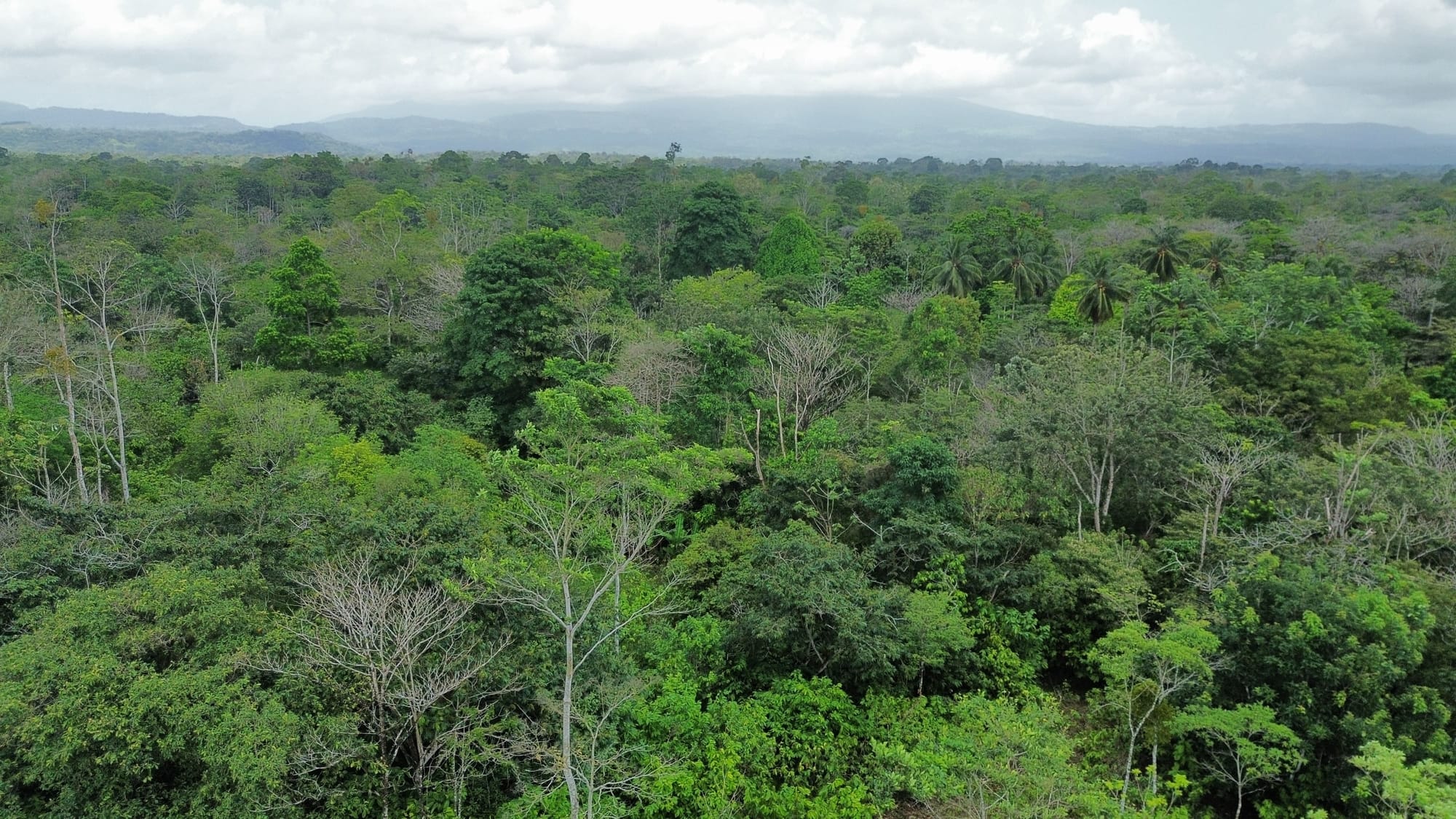
At Maleku Chocolate's Llano Azul estate, cacao is grown under a certified organic agroforestry system at the base of Tenorio Volcano in Costa Rica (Kiwa BCS Costa Rica Limitada, USDA NOP). The shade canopy, volcanic soil, and biodiversity of the agroforestry system create precisely the growing conditions associated with higher secondary metabolite production. Fermentation at the estate uses traditional wooden boxes with controlled timing - a variable that affects the epicatechin:catechin ratio in the finished bean. The bars are never alkalized.
These are not brand claims. They are the agronomic and processing conditions that the flavanol research identifies as predictive of higher compound retention.
Read more:
- What Cacao Actually Does to Your Brain and Body
- The Great Debate: Debunking Chocolate Health Myths
- The Unadulterated Bean: Tracing Flavor from Farm to Factory
REFERENCES
1. Ried K et al. Effect of cocoa on blood pressure. Cochrane Database of Systematic Reviews. 2017.
2. Ellinger S et al. Epicatechin ingested via cocoa products reduces blood pressure. Journal of Nutrition. 2012.
3. Sesso HD et al. COSMOS trial: cocoa flavanols and cardiovascular outcomes. American Journal of Clinical Nutrition. 2022. doi.org/10.1093/ajcn/nqac055
4. Baker LD et al. COSMOS-Mind: effects of cocoa extract on cognition. Alzheimer's and Dementia. 2023. doi.org/10.1002/alz.12767
5. Heinrich U et al. Long-term ingestion of high flavanol cocoa provides photoprotection against UV-induced erythema. Journal of Nutrition. 2006.
6. Mogollon JA et al. Chocolate flavanols and skin photoprotection. Nutrition Journal. 2012.
7. Angelino D et al. Bioaccessibility and bioavailability of phenolic compounds from cocoa. Nutrients. 2019.
8. Neto JM et al. Gut microbiota and polyphenol metabolism: procyanidin metabolites. Food Chemistry. 2018.
9. Grassi D et al. Cocoa reduces blood pressure and insulin resistance. Hypertension. 2005.
10. Socci V et al. Enhancing human cognition with cocoa flavonoids. Frontiers in Nutrition. 2017. doi.org/10.3389/fnut.2017.00019
11. Latif R. Chocolate/cocoa and human health: a review. Netherlands Journal of Medicine. 2013.
12. Hurst WJ et al. Polyphenol processing losses in cocoa. Journal of Agricultural and Food Chemistry. 2008.